Support, guidance & advice for todays primary carers
Understanding
Urinary Tract Infections
in Older Adults

Article by
Australian Carers Guide
Adjust text size:
What is a UTI?
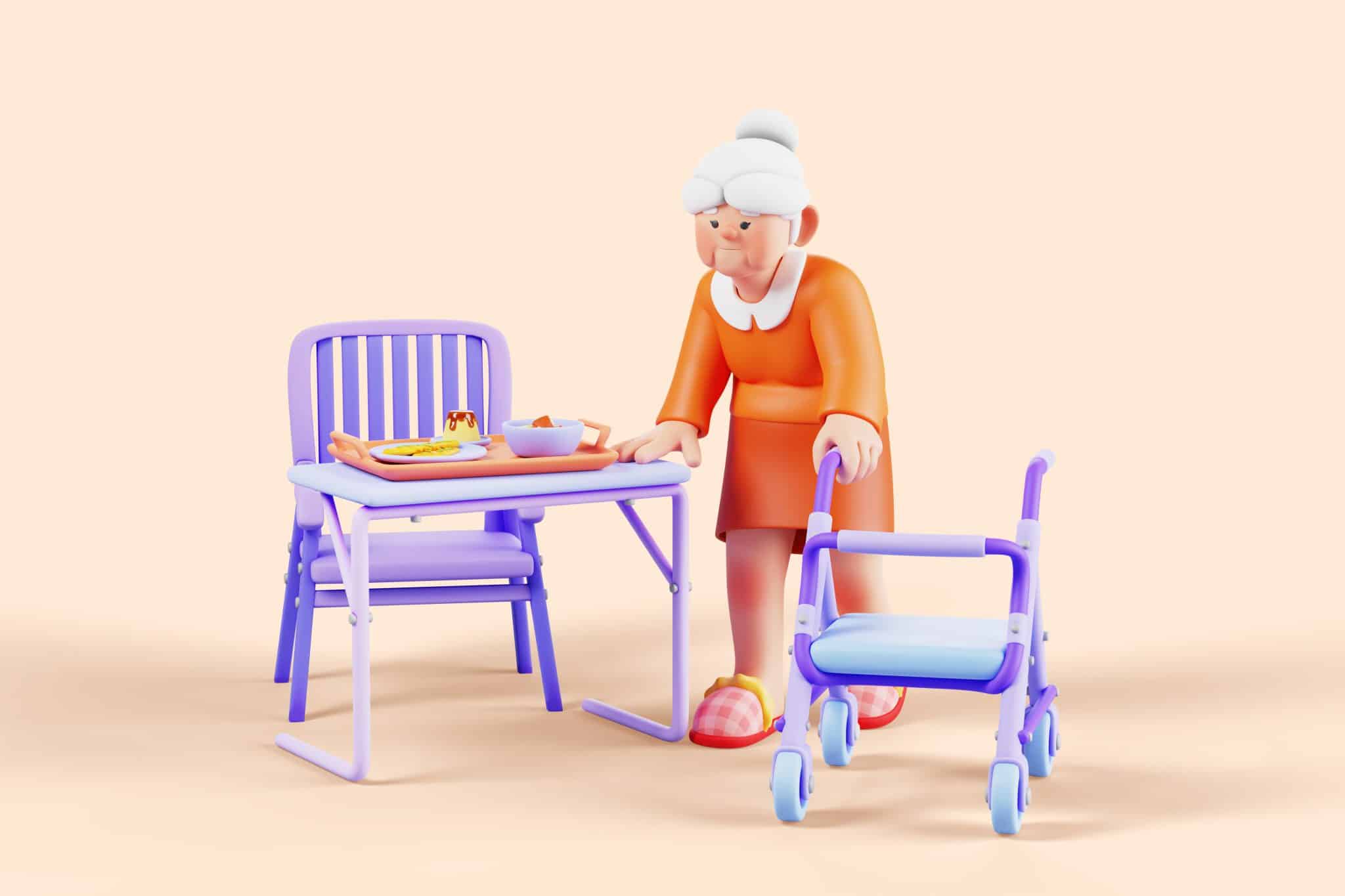
A Urinary Tract Infection is an infection in any part of the urinary system. This includes the kidneys, bladder, ureters, and urethra. While anyone can get a UTI, they are incredibly common in older people and can present in surprising ways.
How does a UTI develop?
UTIs occur when bacteria enter the urinary tract and multiply. For older adults, several factors increase the risk of this happening:
- Ageing bodies: The immune system naturally weakens with age, making it harder to fight off infections.
- Bladder issues: Conditions like an enlarged prostate or a prolapsed bladder can prevent complete emptying.
- Medical equipment: The use of urinary catheters provides a direct pathway for bacteria.
- Dehydration: Not drinking enough water means bacteria are not flushed out regularly.
- Incontinence: Bowel or urinary incontinence can introduce bacteria to the urethra.
Spotting the symptoms
Symptoms in older adults often look very different from those in younger people. Carers must be vigilant for both physical and behavioural changes.
| Typical Physical Symptoms | Hidden or Behavioural Symptoms |
| Burning sensation or pain when urinating | Sudden and unexplained confusion or delirium |
| Strong and persistent urge to urinate | Uncharacteristic agitation or aggression |
| Passing frequent and small amounts of urine | Increased clumsiness or unexplained falls |
| Urine that is cloudy, red, or strong-smelling | Extreme lethargy or sudden loss of appetite |
| Pelvic pain or lower abdominal discomfort | New or suddenly worsening incontinence |
Treatment and Management
A doctor must diagnose a UTI, usually through a simple urine test. Once diagnosed, treatment is straightforward.
- Antibiotics: A GP will prescribe a short course of antibiotics to clear the infection. It is vital to finish the entire course, even if the person starts feeling better.
- Hydration: Drinking plenty of fluids helps flush the remaining bacteria from the system.
- Rest and Comfort: Over the counter pain relief or a warm heat pack on the abdomen can help manage discomfort while the antibiotics take effect.
Helpful Resources
If you suspect a UTI, always contact a GP first. For further advice and support regarding caring and ageing, these Australian resources are invaluable:
- Healthdirect Australia: Call 1800 022 222 for free health advice from a registered nurse, available 24 hours a day.
- Continence Foundation of Australia: Visit continence.org.au or call 1800 33 00 66 for expert advice on bladder and bowel health.
- My Aged Care: Visit myagedcare.gov.au for comprehensive information on government funded aged care services and assessments.
- Dementia Australia: Call 1800 100 500 if UTI symptoms are exacerbating existing dementia or causing severe, distressing confusion.






Sep. 01, 2026
Understanding
Urinary Tract Infections
in Older Adults
May. 19, 2026
Did You Know?
Age-Related Macular Degeneration (AMD)

Mar. 01, 2026
Did You Know? – Huntington’s Disease

May. 29, 2025
Preparing for What’s Next in Advanced Disease Care

May. 28, 2025
Sunflowers: Helping to Make the Invisible, Visible