Support, guidance & advice for todays primary carers
Improvising Care for Dementia
Article by
Trudi Boatwright
Adjust text size:
How a Melbourne Workshop is Teaching Carers a New Language for Dementia
More than 421,000 Australians are living with dementia. Behind that number sit over 1.7 million carers, including an estimated 140,000 people providing unpaid, primary care for someone with the condition, often at significant cost to their own wellbeing. Nearly half of dementia carers report high or very high levels of psychological distress, and many reduce their working hours or leave the workforce altogether to keep caring.
It’s against this backdrop that Improvising Care, a first-of-its-kind workshop for dementia carers, was held at Arts Centre Melbourne in June, drawing carers, family members and aged care workers into a room to learn something rarely taught alongside clinical guidelines: how to use play as a communication tool.
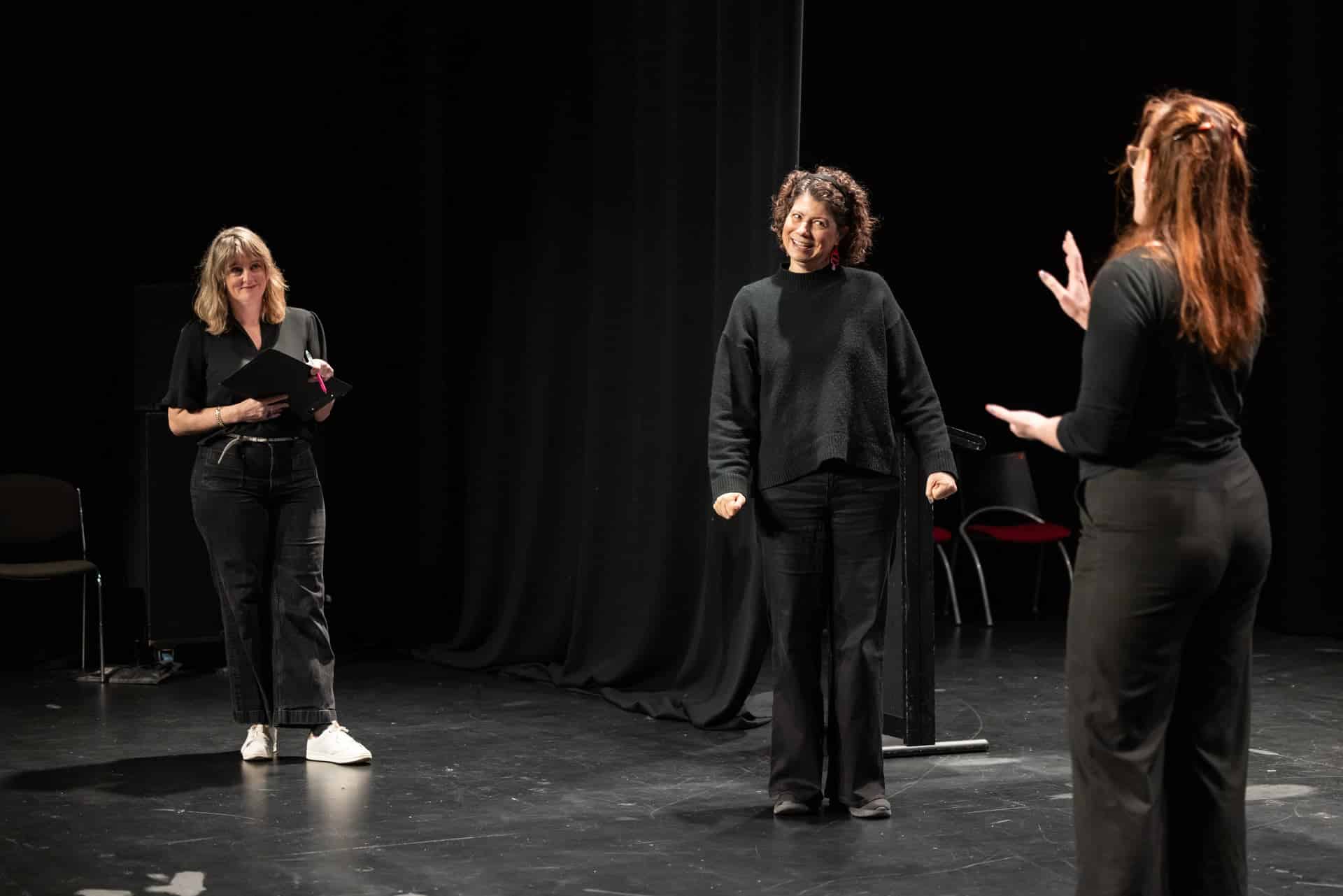
Developed and led by Melbourne-based experiential learning specialist Trudi Boatwright, the workshop applied techniques from applied improvisation, the discipline behind unscripted theatre, to the everyday, unpredictable realities of dementia care. Boatwright was joined on stage by improvisers Kathryn Tohill and Candice Darcy, who demonstrated the concepts live before participants tried them for themselves.

“Dementia care is often filled with moments of confusion, frustration and emotional strain,” Boatwright said. “What improvisation offers is a way to meet those moments differently, not by correcting or controlling, but by connecting. We’re seeing carers shift and improve their relationships in real time.”
The central idea is “Yes, and”, improvisation’s founding rule, which asks performers to accept whatever their scene partner offers and build on it, rather than blocking it. Applied to dementia care, it means meeting a loved one in their reality rather than correcting them out of it. Where “no, that’s not right” can trigger confusion or distress, “yes, and” validates the emotion underneath the moment, even when the facts have shifted.
“At its core, this work is about meeting people where they are,” Boatwright said. “The skills of applied improvisation give carers practical, easy-to-remember tools to be present and connected with those they love.”
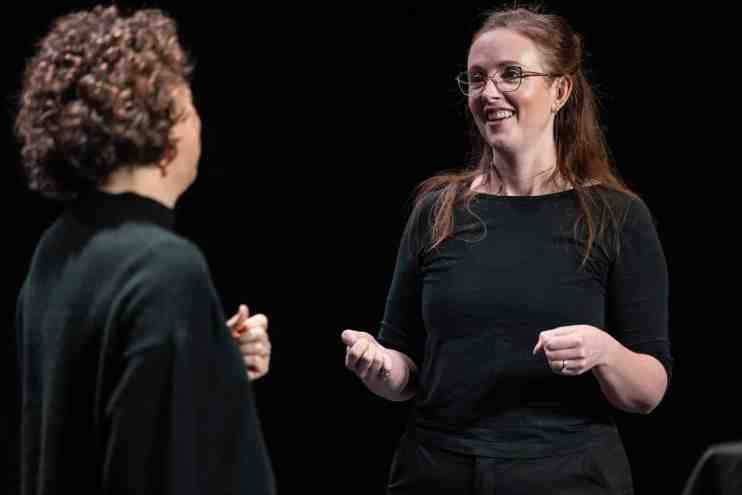
Alongside “Yes, and”, the workshop introduced carers to being present, stepping into another person’s world, and non-verbal communication techniques Boatwright says align closely with the person-centred care principles set out in the National Dementia Action Plan, which calls for carers to be “well supported” and able to sustain a “meaningful and mutually beneficial relationship” with the person they care for.
The response from participants backed that up. Dr Hendrik Zimmet described leaving with “personal practical insights that will help me with the care of a relative with dementia, but also professional insights about the way in which improvisational theatre and clinical medicine can achieve great things together.” Jacqueline Edgar said her biggest takeaway was “inserting myself into Mum’s world with calmness,” while Miriam Raphael pointed to “the idea of play and being creative in communications,” adding: “Thank you for a very special afternoon.”
The workshop’s emphasis on play isn’t incidental. Play is understood to prompt the release of dopamine, oxytocin, serotonin and endorphins: the same neurochemicals linked to bonding and stress relief, which Boatwright says is part of why carers using this approach “feel lighter, more energised and ready to provide present care,” rather than depleted.
It’s an approach with a growing evidence base. Research published in the journal Age and Ageing, alongside a separate study on person-centred dementia interventions, has pointed to the value of playful, relational approaches in reducing behavioural escalation and caregiver anxiety, and similar improvisation-based programs are already running in the UK and the US. In Australia, though, structured applied improvisation training for dementia carers remains rare, which is part of what makes Improvising Care notable.
Boatwright’s connection to the work isn’t purely professional. She grew up around her mother’s diversional therapy practice, spending time in nursing homes from an early age, and has since worked as a carer herself alongside two decades as a performer and facilitator — including delivering improvisation-based programs in children’s hospitals, women’s prisons and aged care settings.
That lived experience, paired with improvisation training rooted in the Spolin tradition, shapes a workshop that treats dementia care not as a problem to be managed but a relationship to be maintain.
For carers navigating their own version of that relationship, the takeaway from Improvising Care is a simple one: connection doesn’t require getting the facts right. It requires showing up, staying present, and being willing to play.
More information on Trudi Boatwright’s work is available at www.the-silver-space.com.
Feature photo by Mark Gambino