Support, guidance & advice for todays primary carers
Parkinson’s Disease Exercise Program

Article by
AQhealth
Adjust text size:
Parkinson’s Disease is a progressive disorder of the nervous system, with symptoms including trembling, stiffness, slowed movement and balance, and co-ordination issues.
There is no cure, but a new exercise program being offered at AQ Health (Alzheimer’s Queensland Health) aims to relieve symptoms and improve quality of life for patients.
AQ Health’s Parkinson’s Power PD Program
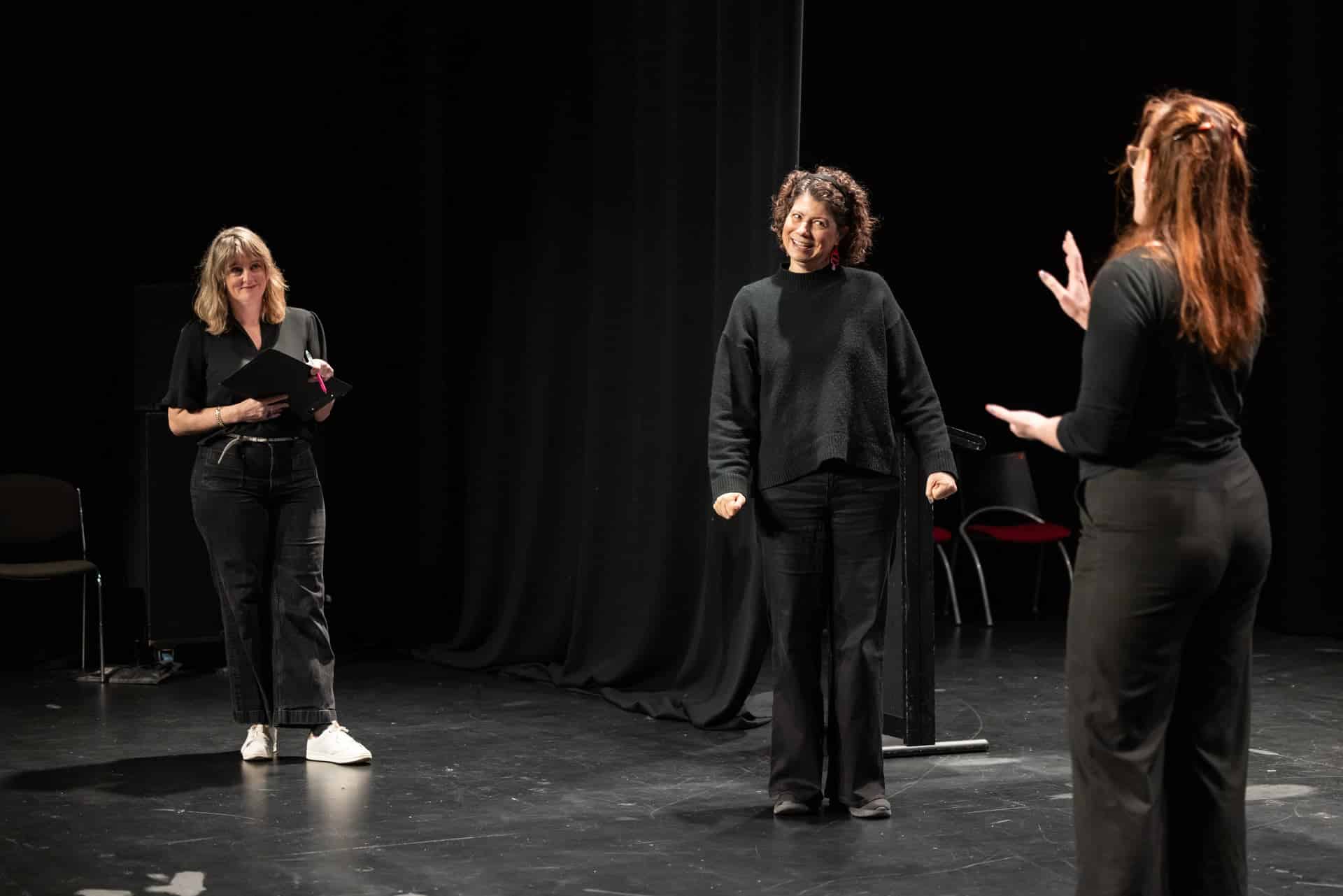
AQ Health’s PowerPD program tailors exercise to specific skills and movements that are affected by Parkinson’s. Exercise physiologist Jack explains, “Every person who has Parkinson’s has symptoms that present very differently,” he said.
“This program can be done in classes, or one-on-one, and we work on things like co-ordination and gait training. It’s different to normal exercises programs, for example one exercise might be tossing a scarf up in the air and trying to catch it again”.
“It’s a condition that is going to get progressively worse, and that’s hard for people to deal with, but with this program, we can give our clients something positive”.
Classes are held once a week, in a 12-week block, with groups kept small. For those not comfortable attending a class or with more advanced presentation the AQ Health team adapt the program to a one-on-one format. Where needed, the exercise physiologists and physiotherapists may also collaborate with AQ Health’s occupational therapists to assist with equipment or home modifications, as well as fine motor therapy.
AQ Health physiotherapist Blair said a big part of the PowerPD program is education. “It’s important for people to understand why this is happening, and why it’s beneficial to try and ‘move bigger’, as people with Parkinson’s tend to get smaller in their daily movements,” she said.
“It can be a struggle for people to do two things at once, for example walking while carrying a cup of tea, so we work on being able to combine those two things”.
“We make sure all the exercises are modified for safety, so they can practice at home as well.”
Physiotherapist Alicia added the program aimed to work on the specific concerns of each client. “We always do a thorough assessment and learn what their goals are – is it getting harder for them to get up out of a chair, or do they need help with balance,” she said.
“The exercises are based on the theory of neuroplasticity, which means that the brain can re-wire itself to get things done a different way.”
Research has shown regular exercise can strengthen connections between neurons, helping a person move, think, and feel better. This process is known as neuroplasticity, describing the brain’s natural ability to rewire itself in response to learning and experience.
“We want to let people know that your brain isn’t set in stone, it responds to stimulus, and you can still accomplish things,” Jack said.
The program is currently running as a once-a-week group session at our Upper Mount Gravatt (47 Tryon Street) and Gordon Park (corner of Groom and Thistle Streets) clinics in Brisbane (Queensland). PowerPD can also be delivered as a 1-on-1 for those interested in private sessions. 1-on-1 sessions are also available through the South Coast region (QLD).
As the program is delivered by qualified Physiotherapists and Exercise Physiologists, it can be accessed through various options including private health funds, the Commonwealth Home Support program (CHSP), Home Care Packages (HCP), Chronic Disease Management (CDM) Package, and private pay.
If you are interested in the PowerPD class, please email aqhealth@alzqld.org.au or call 1800 692 743 to book a spot. You can also view more information at aqhealth.org.au.






Sep. 07, 2026
Commonwealth Home Support Program
Funding Extended to 2029

Sep. 01, 2026
The 3G Travel Trend

Sep. 01, 2026
Top 5 Questions to Ask
When Considering Downsizing

Sep. 01, 2026
When Caring Changes
Practical Information Every Family Should Record

Sep. 01, 2026
Carer Gateway Counselling
Helping Carers Feel Less Alone