Support, guidance & advice for todays primary carers
The Masks We Wear

Article by
Australian Carers Guide
Adjust text size:
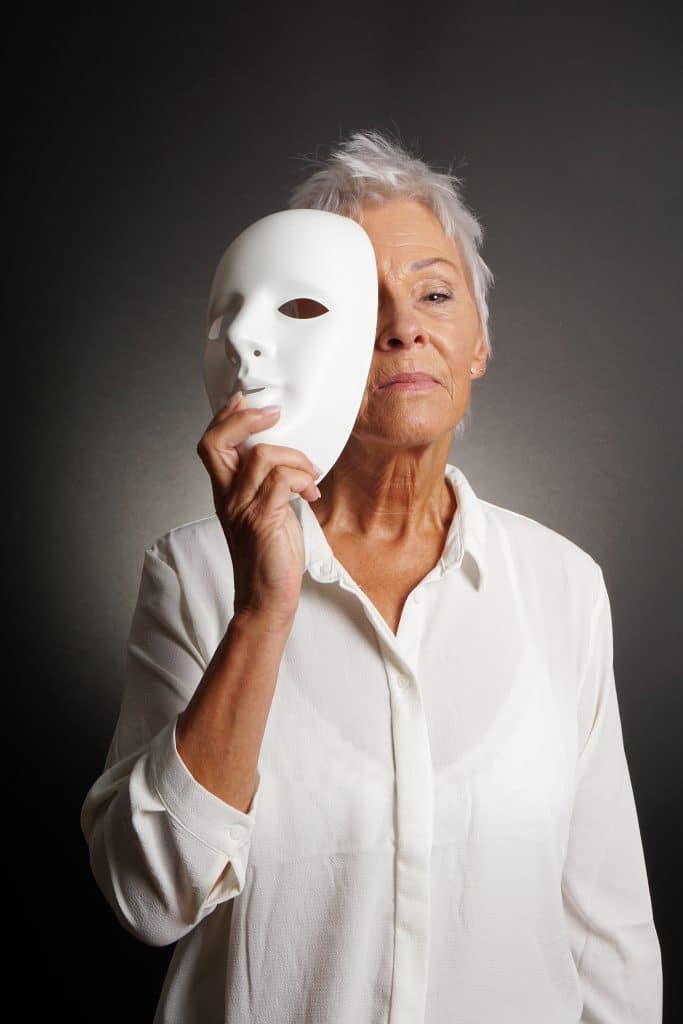
Caring for ageing parent or loved one can be overwhelming and isolating. Many carers hide their true feelings of exhaustion, stress, and sadness behind brave faces and the masks we wear. It’s common to wear personality masks to protect oneself from judgment and to appear strong, but this constant masking can lead to serious mental health issues like anxiety and depression. Admitting that you wear these masks is the first step towards genuine emotional expression and improved well-being. Let you in on a secret: just about everyone wears a mask in one way or another.
As someone caring for an ageing loved one, you may find yourself hiding your true feelings and struggles behind a brave face. This masking behaviour can be exhausting and detrimental to your well-being.
But don’t worry; we have some good news about a safe place we have created for carers to take off the masks they wear, relax without judgement, and find support, understanding, and helpful advice. Keep reading.
Here is a list of the 11 most common types of personality masks that we carers wear, along with a brief description and some helpful advice.
The Martyr or Victim Mask
Description: Blames external factors for personal problems to protect self-esteem.
Advice: Recognise and accept your own role in challenges. Consider speaking with a counsellor to work through these feelings and find constructive solutions.
The Humour Mask
Description: Uses humour to cover up sadness and prevent being laughed at.
Advice: Allow yourself to express genuine emotions and seek out supportive friends who appreciate your authenticity. Sharing your true feelings can lead to deeper connections.
The Bully Mask
Description: Uses aggression or control to hide self-doubt or past abuse.
Advice: Focus on building self-esteem through positive affirmations. Seeking therapy can help address past traumas and reduce the need for aggressive behaviour.
The Calm Mask
Description: Maintains a calm exterior while bottling up emotions.
Advice: Practice healthy emotional expression. Techniques like journaling or talking to a therapist can help manage bottled- up feelings and prevent emotional overload.
The Overachieving Mask
Description: Strives for perfection to gain acceptance and self-worth.
Advice: Learn to accept and celebrate imperfections. Mindfulness and stress management techniques can help reduce anxiety related to perfectionism.
The Self-Bashing Mask
Description: Puts oneself down to shield from external criticism.
Advice: Replace negative self-talk with positive affirmations. Therapy can improve self-esteem and help break the habit of self-bashing.
The Avoidant Mask
Description: Withdraws from social interactions due to fear of rejection.
Advice: Gradually expose yourself to social situations and practice positive self-talk. Support groups can provide a safe space to rebuild social skills and confidence.
The Controlling Mask
Description: Attempts to control surroundings to feel secure.
Advice: Embrace flexibility and learn to let go of the need for control. Meditation and breathing exercises can help reduce anxiety related to control.
The People-Pleasing Mask
Description: Seeks approval from others to feel valued.
Advice: Set healthy boundaries and focus on self-approval. Cognitive-behavioural therapy (CBT) can help reframe thoughts around self- worth.
The Socialiser Mask
Description: Uses social skills to hide insecurity, maintaining shallow relationships.
Advice: Develop deeper connections by being authentic and open. Vulnerability can lead to more meaningful relationships.
The Conformist Mask
Description: Follows others to gain acceptance, often losing individuality.
Advice: Embrace your unique traits and practice self-acceptance. Finding hobbies or groups that celebrate individuality can boost confidence.
Now you see the consequences of hiding behind the feelings of loneliness, isolation and the masks, we all wear, here are some things to think about.
Join a community group: Recognising the shared struggles among carers can foster a supportive community where genuine feelings are expressed and understood.
Good News
The Australian Carers Guide is launching its own Australian Carers Group Facebook community page as a safe place for our thousands of readers to connect with other travelling the same journey.
Our new Facebook community page will allow carers to share their honest experiences with others who truly understand their journey. Join us in creating a space where no masks are required. Just a safe place where real emotions are embraced, and support is always available. A burden shared is a burden halved.
One of the most immediate benefits of joining our community is the emotional relief that comes from being able to express oneself openly. Carers often feel they must maintain
a facade of strength and resilience, hiding their true feelings of exhaustion and stress. However, suppressing these emotions can lead to significant mental health issues, including anxiety and depression. Our community page provides a platform where carers can take off their masks and share their honest emotions without fear of judgement. This act of sharing can be incredibly cathartic, offering a release valve for pent-up feelings and reducing the emotional burden.
Moreover, the adage “a burden shared is a burden halved” holds true in the context of a carers’ community. When carers share their experiences and challenges, they often find that others have faced similar situations. This shared understanding can foster a sense of solidarity and reduce feelings of isolation. Knowing that others have successfully navigated the same obstacles can provide practical insights and emotional support, making the caring journey less daunting.
In addition to emotional support, our community page can be a valuable source of practical advice. Members can exchange tips on managing daily caring tasks, accessing resources, and navigating the healthcare system. This collective wisdom can save time and reduce stress, enabling carers to provide better care for their loved ones while also looking after their own well-being.
Furthermore, being part of a supportive community can enhance a carer’s sense of purpose and belonging. Regular interactions with others who understand and appreciate their efforts can boost self-esteem and provide a much-needed sense of validation. This can be particularly important for carers who might otherwise feel isolated, unrecognised and undervalued.





Sep. 01, 2026
The Quiet Heart of Australia
Celebrating our Unpaid Family Carers

Sep. 01, 2026
Spring Clean Your Life

Sep. 01, 2026
Carer Gateway Counselling
Helping Carers Feel Less Alone

Sep. 01, 2026
Helping Loved Ones Read with More Confidence

Sep. 01, 2026
Caring for Caregivers
Managing the Role of a Carer