Support, guidance & advice for todays primary carers
The Great Indoors

Article by
Australian Carers Guide
Adjust text size:
Discover meaningful ways to stay active and entertained without braving the winter chill.
The temperature is gradually dropping, the daylight hours are shrinking, and a familiar, quiet resistance has settled over your home. When an older family member begins to actively withdraw from the outside world, the shift can be incredibly stressful for a carer. They might stop returning calls to lifelong friends, refuse invitations to their regular social groups, and display a rigid reluctance to step out the front door. With winter approaching, this tendency to retreat indoors is only amplified.
For the person in the caring role, this isolation often triggers alarm bells. We equate staying busy and being social with health and vitality. When a loved one chooses the armchair over the outside world, our instinct is to push, encourage, and sometimes even nag them to engage. However, forcing the issue rarely works and often leads to resentment. The challenge, therefore, is not how to force them back out into the cold, but how to gently and effectively bring a vibrant, stimulating world to them indoors. Navigating this winter season requires a shift in perspective. It demands that we redefine what entertainment and engagement look like, focusing on activities that provide cognitive stimulation, emotional connection, and a sense of purpose without requiring them to leave their sanctuary.
Understanding the Winter Retreat
Before introducing new activities, it is vital to understand the root cause of this reluctance. The decision to stay indoors is rarely born of simple stubbornness. It is usually a complex mix of physical, cognitive, and emotional factors.
Firstly, the physical realities of winter cannot be ignored. The cold weather often exacerbates joint pain and arthritis, making mobility significantly more difficult and uncomfortable. There is also a very rational fear of falling. Wet, slippery pavements are a genuine hazard, and a loss of confidence in their physical stability is enough to keep anyone housebound.
Furthermore, socialising requires an immense amount of cognitive energy. Following a conversation in a noisy cafe or keeping up with the dynamics of a social group can be exhausting, particularly if they are experiencing mild cognitive decline, hearing loss, or vision changes. Their home is a controlled environment. The lighting is predictable, the acoustics are familiar, and they know exactly where everything is. Retreating to this space is a coping mechanism to avoid sensory overload and physical risk.
When we view their reluctance through this lens, our approach changes. Our goal as a carer becomes finding ways to stimulate their mind and spirit within the boundaries of their comfort zone.
Technology as a Bridge to the Outside World
There is a persistent myth that older generations are fundamentally opposed to modern technology. In reality, resistance is usually tied to a lack of confidence rather than a lack of interest. When introduced patiently and collaboratively, technology can be a profound source of indoor entertainment.
Consider the immersive power of virtual reality. A lightweight, standalone VR headset can offer incredible experiences for someone who is completely homebound. Without needing to stand or move around the room, they can be transported anywhere in the world. You can load up an application that allows them to take a virtual gondola ride through the canals of Venice, visit a famous museum, or even explore the streets of their childhood neighbourhood using interactive mapping tools. It provides an astonishing level of visual and auditory stimulation while they remain safely seated in their favourite chair.
Similarly, gaming consoles are an untapped resource for older adults. A system like the Nintendo Switch is highly accessible and offers far more than traditional action games. Titles that focus on gentle puzzle-solving, building virtual gardens, or simple, colourful racing games are brilliant for maintaining hand-eye coordination and cognitive agility.
Crucially, this technology opens a natural pathway for intergenerational connection. A 13-year-old grandchild might struggle to sustain a conversation about school with their grandparent, but if you hand them both a controller to play a cooperative, light-hearted game together, the communication flows effortlessly. It changes the dynamic from a formal visit to shared, active fun.
Unearthing Family Legends and Local History
As the physical world shrinks, the internal world of memories often expands and becomes more vivid. Harnessing this natural reflection is a wonderful way to provide meaningful, structured engagement. Instead of asking broad, open-ended questions about their past, invite them to partner with you on a specific historical project.
Most families have a fascinating piece of undocumented history or a persistent rumour waiting to be verified. You could spend the winter afternoons meticulously researching a specific ancestor. For example, if there is a family story about a grandfather who was a competitive road cyclist racing around regional Victoria in the 1940s and 1950s, use that exact premise as your anchor.
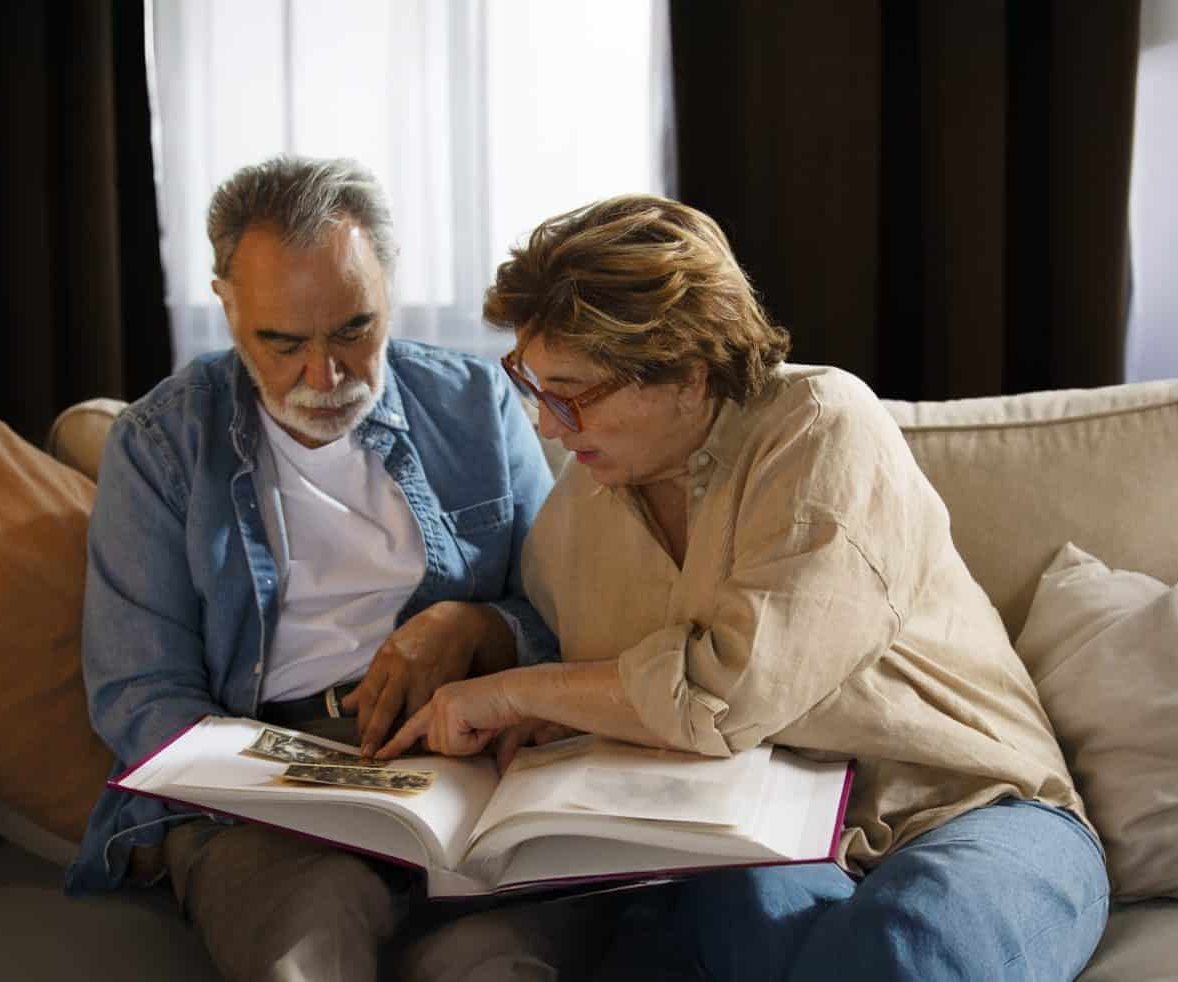
Bring a laptop to the dining table and search through digital newspaper archives, historical society databases, and old sporting records together. The act of hunting for clues, reading old race results, piecing together a timeline, and uncovering the forgotten achievements of a pioneer gives them a tangible sense of purpose. They become a historical detective rather than a passive observer. You can print out the articles you find, categorise the information in a folder, and slowly build a physical archive of their family history. It is a slow, deeply rewarding process that can easily span the entire winter season.
The Rhythm of Life: Music and Creative Writing
Music is processed in a completely different part of the brain compared to standard speech. This makes it an incredibly powerful tool for emotional connection and cognitive stimulation, particularly on days when conversation feels strained or difficult. However, the key is to make music an active pursuit rather than just background noise.
If your loved one has always enjoyed reading, poetry, or storytelling, try collaborating on creative writing. You can start by writing song lyrics together. Pick a familiar theme, perhaps a vivid memory from their youth, the story of how they met their partner, or even a description of the stark winter landscape outside the living room window. Write the lines down, experiment with different rhyming structures, and discuss how the words might be paced to a melody. It is a brilliant cognitive exercise that requires focus and creativity.
You can also explore rhythm directly. You do not need a professional electronic drum kit to enjoy the therapeutic benefits of percussion. Simply tapping along to a complex beat on a hand drum, a tambourine, or even the kitchen table is fantastic for maintaining motor skills and regulating mood. Introduce them to a wide variety of music. Play them songs from your own playlists, introduce them to contemporary artists you enjoy, and ask for their honest critique. Validating their opinion on new concepts sparks lively, equal-footing conversations.
Nurturing the Indoor Environment
When the interior of the house is the only environment they see, its visual appeal and functionality become critically important. Engaging them in small, manageable projects around the home provides an excellent distraction and reinforces their sense of ownership over their space.
If you have an interest in interior design or are planning to update a room, bring them into your process. Even if they cannot help with the physical labour, their input is valuable. Ask for their opinion on colour swatches, discuss the merits of different fabric textures, or have them help you plan the layout of a renovated space. Asking for their advice elevates their status and keeps their mind active.
Micro-environments are also wonderful for daily engagement. Setting up a small indoor ecosystem requires gentle, consistent observation. For instance, converting a 40-litre glass tank into a dedicated, planted shrimp tank is a brilliant indoor project. The daily routine of checking the water temperature, feeding the tiny aquatic life, and observing the delicate ecosystem provides a quiet, meditative focus that breaks up a long afternoon. It brings a slice of the natural, living world directly into their line of sight.
Low-Demand Activities and Passive Engagement
There will inevitably be days when active engagement is simply too exhausting. The winter gloom can affect energy levels, and on these days, the goal should shift purely to comfort, sensory stimulation, and low-demand companionship.
Tactile activities are incredibly soothing when cognitive energy is low. Sorting objects, such as organising a messy button box, pairing freshly laundered socks, or categorising loose photographs into piles, provides a satisfying sense of order without requiring heavy mental lifting.
Cooking and baking also fall into this category. Even if they can no longer stand at the stove to cook a full meal, they can sit at the table and participate in the preparation. Snapping the ends off green beans, peeling carrots, or kneading dough allows them to contribute. Furthermore, the aromas of familiar winter meals, like a slow-cooked stew or a freshly baked cake, provide immense sensory comfort and make the house feel warm and lived-in.
When watching television, elevate the experience beyond mindless viewing. If you are watching a programme on a crisp, high-quality Smart TV, choose visually spectacular documentaries about travel or nature. Make it an interactive experience by pausing the programme to discuss a beautiful landscape or to ask if they have ever visited a similar location.
Redefining Social Connection
Finally, it is essential to reframe your expectations of socialising. If they are refusing to attend large groups or make phone calls, remove the pressure completely. Replace the idea of “social events” with “micro-interactions”.
Invite a single, close friend or a quiet family member over for a very brief, structured visit, perhaps just twenty minutes for a cup of tea, with the clear understanding that the guest will leave promptly. This removes the anxiety of having to sustain a long, draining conversation.
You must also recognise the immense value of passive company. In the caring profession, this is sometimes referred to as “parallel play”. You do not always need to be actively entertaining them. Simply sitting in the same room, reading your own book or working on your laptop while they knit or watch the fire, provides a deep sense of security and companionship. Your quiet presence is often the most comforting entertainment of all.
A Season of Patience
Introducing new ways to entertain an ageing loved one during the winter months requires strategic patience and a great deal of empathy. Not every activity will be a success, and there will be days when they simply prefer to sleep or sit in silence. That is perfectly acceptable. By offering a variety of options, from the immersive technology of virtual reality to the quiet rhythm of writing lyrics, you provide them with the tools to stay engaged on their own terms. The ultimate goal is to ensure that while their physical world may have temporarily shrunk to the footprint of their home, their mind remains active, their environment feels enriching, and they know they are deeply supported through the colder months.







Sep. 01, 2026
The Quiet Heart of Australia
Celebrating our Unpaid Family Carers

Sep. 01, 2026
Spring Clean Your Life

Sep. 01, 2026
Carer Gateway Counselling
Helping Carers Feel Less Alone

Sep. 01, 2026
Helping Loved Ones Read with More Confidence

Sep. 01, 2026
Caring for Caregivers
Managing the Role of a Carer