
Support, guidance & advice for todays primary carers
Preparing for What’s Next in Advanced Disease Care
Article by
Dr Tina Thomas
Adjust text size:
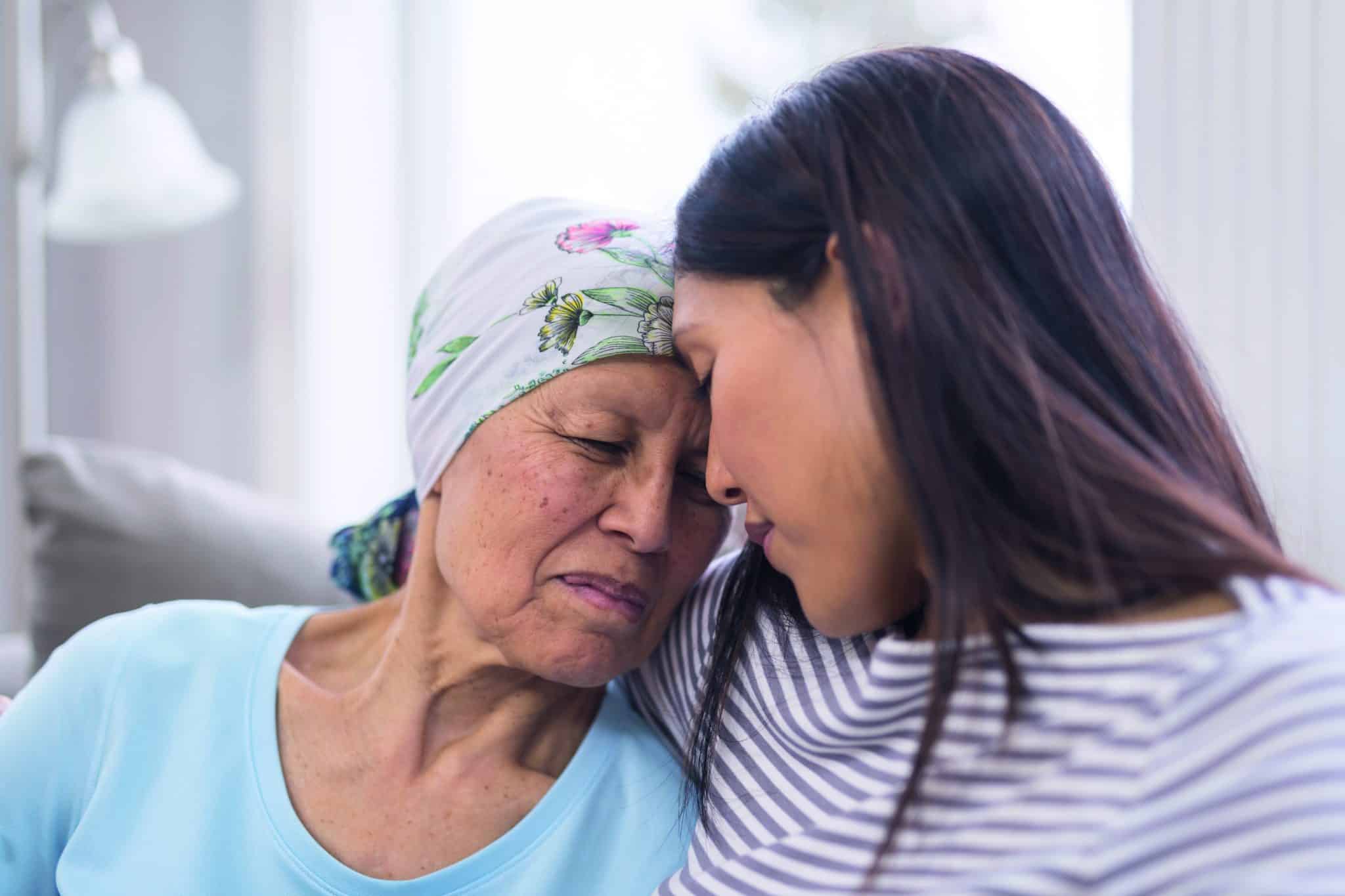
At any one time, there are thousands of Australians caring for a partner, family member, or friend who has advanced disease. As a carer, it can be difficult to support the person you are caring for through the transition from curative treatment to supportive care. You may also be feeling overwhelmed, confused, and deeply saddened after being told the person you are caring for is in their last months (or years) of life. Sometimes, people have previous experience caring for a loved one at the end of life, but frequently they do not. It can be hard to know what needs to be done in order for things to go as smoothly as possible over the coming months.
What does a diagnosis of advanced disease mean?
When someone has an ‘advanced disease’, it means that there is no cure and at some point they will die as a result of the disease. Other similar terms include ‘life-limiting illness’, ‘terminal illness’ or ‘frailty’. Usually, there will be many months to prepare, get informed, and put supports in place. The person is likely to deteriorate over a period of months (or possibly years depending on the disease) and require more practical care. They will be less able to do daily tasks themselves and will need a family carer or paid carers to provide daily care. They will need someone around most of the time to help with personal care, feeding, medicines, appointments, and transport. However, they will also need emotional support, understanding, and company to live a good quality of life.
It may feel like a lot of pressure as the carer, and many end of life carers report feeling exhausted and isolated. Indeed carers are at an increased risk of emotional distress and physical illness. Therefore it is important to ensure that you continue self-care activities, taking breaks from caring, having a good support system and continuing to manage your own health needs. Interestingly, despite the increased load, the majority of carers also reflect on their experience as a rewarding and beneficial one that has helped them at a personal level and in the way they live their life going forward.
It is important to know that you are not alone, and your health care team are always available to support you and discuss concerns you may have.
Where can I get more information?
One trustworthy source of information and support for carers is the CarerHelp website. It was created by health care professionals to help families prepare for end of life caring. We know that families who are more prepared for end of life, ultimately have better outcomes. It contains videos, fact sheets and resources to support you through what can be a challenging time.

The top tips from the CarerHelp website include:
- Have important end of life conversations: Most people in Australia want to plan for their end-of-life care. With that in mind, talk to the health care team openly about end of life care and ask about what the person will need as the disease advances. Also, talk openly to the person you are caring for about their end of life preferences. Consider, what is most important to the person you are caring for at this time and prioritise accordingly. Try and understand their values, what is most important to their quality of life, and how they feel about life-prolonging interventions if it will impact their quality of life. This information will help you to provide the best care and also assist you to make decisions if the person you are caring for can no longer make them. You may like to consider helping the person you are caring for complete an Advance Care Plan or Advance Directive.
- Be open to new services: There may be new services which become involved at this time, such as palliative care. Palliative care is of most benefit if you access it as early as possible. Palliative care focuses on maximising quality of life, and provide expertise in managing end of life symptoms (such as pain and breathlessness). Palliative care can also help you access useful equipment, provide you with social and emotional support, and guide you through those final months. Ask your GP or health care team for a referral or refer yourself to your local palliative care team.
- Location of care: In some situations the person’s care needs may be too great for you to manage them at home, even with home care supports and equipment. There are advantages to the person living in a residential aged care facility, a hospice (often called a palliative care unit), or hospital. You will not have to do as much of the ‘heavy lifting’ and daily care tasks, and can still spend quality time with the person. Sometimes, even just a short stay for respite can be helpful to get difficult symptoms under control, give you a rest, or be a temporary solution while additional home care services are set up.
- Getting their affairs in order early: From a practical point of view, things will get more demanding as the person you are caring for deteriorates. Therefore, the sooner you can help the person to get their affairs in order, the easier it will be for the executor of the Will (and probably yourself) down the track. Things to consider include having a copy of an up to date Will, having a comprehensive list of the persons’ bank and superannuation accounts, and having the details of their accountant or lawyer who may hold important information. Putting together a list of all their memberships, insurance policies, properties and assets, and utilities can be useful. If you share a residence, consider changing names on accounts or bills before the person dies for easier transition.
- Things can change quickly: While many advanced diseases have a fairly predictable course, diseases and medicines all effect people slightly differently. Therefore, some people may decline faster than others or have a negative reaction to a medicine. It is important to understand that when a health professional tells you how long the person has to live, it is only their best guess and it may happen faster or slower depending on the person. Therefore it is always best to be prepared for the ‘worst case scenario’ and hope for the ‘best case scenario’. Have an emergency plan and after hours contact numbers of who to call on the fridge.
- Make space to acknowledge your feelings: As a carer, you may feel a range of emotions including sadness, anxiety, grief, stress, anger, resentment and more. Caring for someone who is dying is a very emotional experience. Not everyone chooses to be a carer, sometimes it is more of an obligation. You may also be juggling other responsibilities like work, children or grandchildren, and social activities. Carer burnout can happen as a result of long intense caring situations. It is important you build in regular breaks (by using respite services or using your community network) and prioritise your own health.
Most importantly, remember you are not alone. Your health care team is there to support you. Always ask questions and reach out for help if you need.
For more information and resources on how to care for someone at the end of life, visit www.carerhelp.com.au. Find out about common symptoms at the end of life, how to set up services that may be useful, how to recognise someone is close to dying and much more.
At CarerHelp, we recognise that caring in a rural area can at times be more challenging, so we have develop tailored information for rural Australians to help them get the support and information they need. Check out our New Caring in the Country pages at www.carerhelp.com.au/Communities/Caring-in-the-country.
CarerHelp is led by St Vincent’s Hospital Melbourne and funded by the Australian Government Department of Health and Aged Care.

Comments







Mar. 01, 2026
Did You Know? – Huntington’s Disease
May. 29, 2025
Preparing for What’s Next in Advanced Disease Care

May. 28, 2025
Sunflowers: Helping to Make the Invisible, Visible

Dec. 01, 2024
Understanding Mobility Aids for Your Aging Parent

Dec. 01, 2024
Why You Should Join the Australian Carers Group on Facebook



















When my Alzheimer’s symptoms worsened forgetting names, getting lost, struggling with daily tasks I felt overwhelmed and hopeless. Traditional medications offered little relief, and I began to lose hope. Then I found NaturePath Herbal Clinic. Their team took the time to understand my needs and crafted a personalized herbal therapy. Within weeks, I noticed clearer thinking, less confusion, and an improved mood. My husband noticed the difference, too. While Alzheimer’s is still part of my life, NaturePath has helped me regain control. Their care, compassion, and hope have made all the difference. If you or a loved one is dealing with Alzheimer’s, I highly recommend reaching out to them. http://www.naturepathherbalclinic.com
I would not have been able to purchase my new property without the assistance of HACK MAVENS CREDIT SPECIALIST, who aided me in removing all negative entries from my credit report and raised my score from 550 to 830+ across all three credit bureaus. Should you require his services, You can reach him via email at H A C K M A V E N S 5 AT G M A I L DOT COM or call/text/Whats-App at [+1 (2 0 9) 4 1 7 – 1 9 5 7]. You can thank me later.
HIRING GENUINE HACKERS TO CONSULT RECOVERY SPECIALISTS
I want to sincerely thank Safeguard Recovery Expert for their extraordinary skill; they are real heroes, and I wish I had met them sooner rather than reaching out to other hackers for help. If you read this comment, you might be able to get your hacked or blocked bitcoin investment back. I’m posting it for anybody who have been affected by cryptocurrency investment, mining, and trading frauds.
Email:
safeguardbitcoin@consultant.com
safeguardbitcoin.wixsite.com/safeguard-bitcoin–1
WhatsApp: +44 7426 168300