Support, guidance & advice for todays primary carers
Jean Kittson: The Surprise Package

Article by
Jean Kittson
Adjust text size:
I was on a panel recently for the Macular Disease Foundation (MDF). It was their 25th Anniversary. I have been their ambassador for over a decade and they were celebrating the powerful inroads they had made into eye health: education, awareness, support and research.
They have raised millions of dollars and funded revolutionary scientific research into eye health. They have given hundreds of thousands of people with macular disease, and their carers, practical support and hope.
My mother was diagnosed with macular disease back in the ’80s. She was sent to an ophthalmologist who stated: “You are going blind. We don’t know how long it will take but there’s nothing we can do. Have a nice day.”
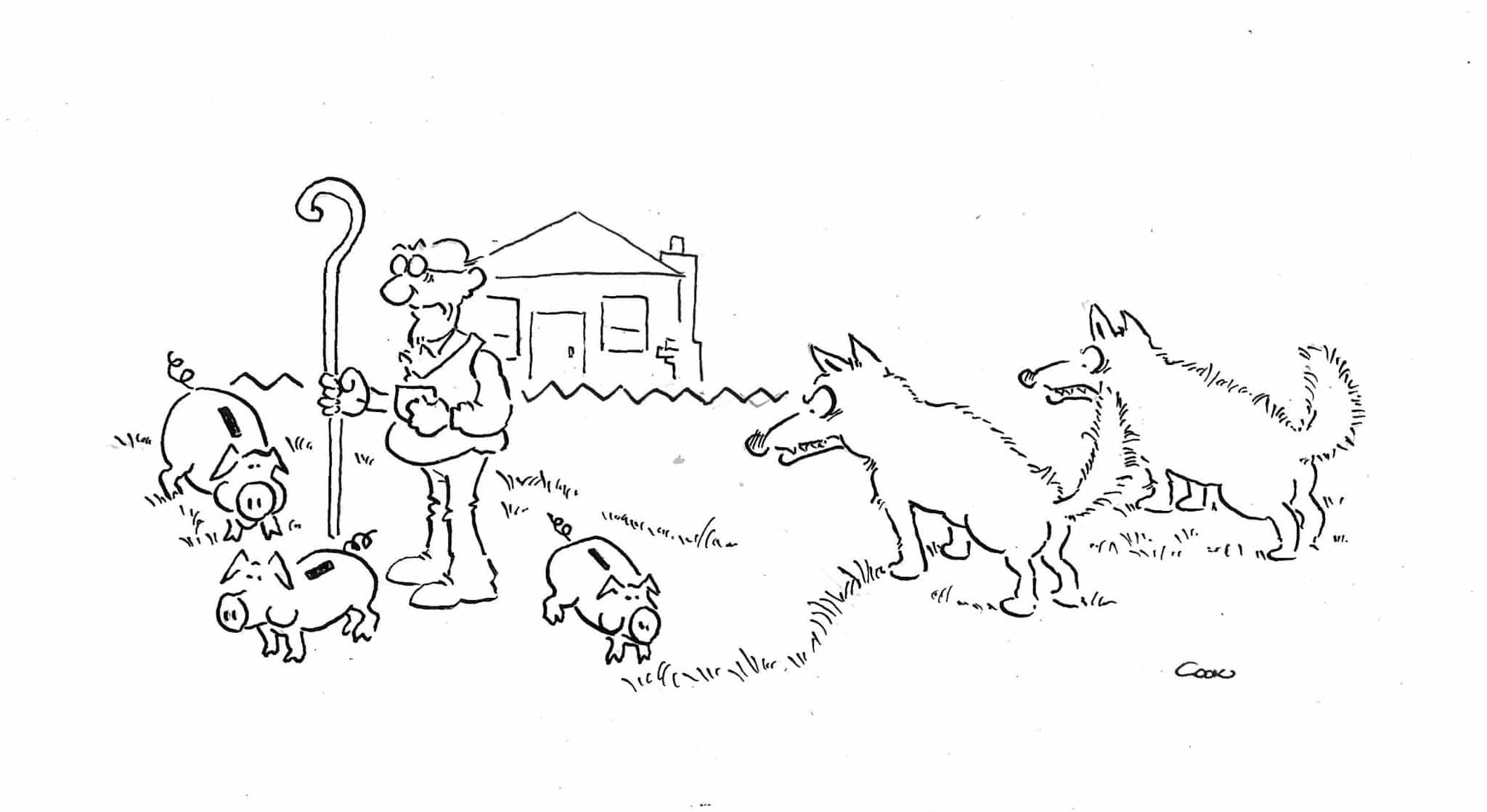
That’s how it sounded to Mum. She was given no information. Not even the name of the disease. Ten years later she was legally blind. Dad was her eyes, he was her driver, he was the cook, he was the one who read out the labels of the supplies they bought at the supermarket. Mum insisted. Left to his own devices, Dad would have bought No Frills everything whereas Mum preferred No Frills nothing.
Dad had dyslexia, and Mum was a speed reader, so the frustration between them was at its height in the supermarket. And in the library, when Dad had to read out the blurb on the back of the talking books. Hard to believe that the covers of talking books for the vision-impaired were printed in size 6 font.
Interestingly, Mum could still clean and knew if there was a mote of dust on a skirting board behind the bed. She had a seventh sense for spotlessness.
The MDF was a life raft in the dangerous, debris-filled sea of a life overturned. A steady and anchoring place to cling to and catch your breath while working out your next move.
We all need those steadying anchors, the safe harbours in our lives where there is guidance and patience and kindness.
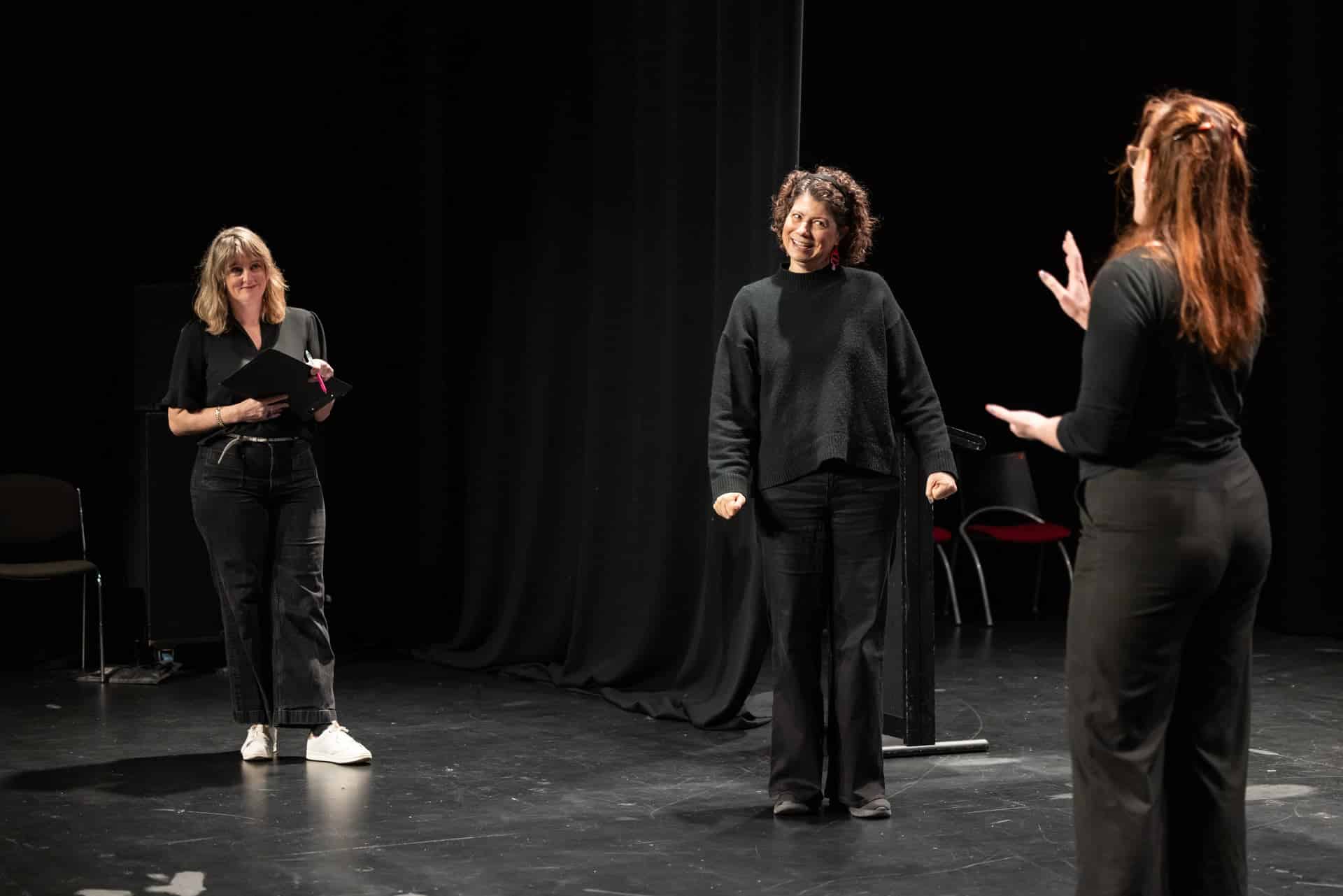
Facilitating this MDF panel was their esteemed and beloved patron, Ita Buttrose. She asked me: “Jean, what was the most surprising thing about being a carer?” I had never before thought about “surprising”. Difficult? Sure. Harrowing? Of course. Frustrating and hair-tearing? Naturally. Joyful and fulfilling? Piece of cake. But “surprising”?
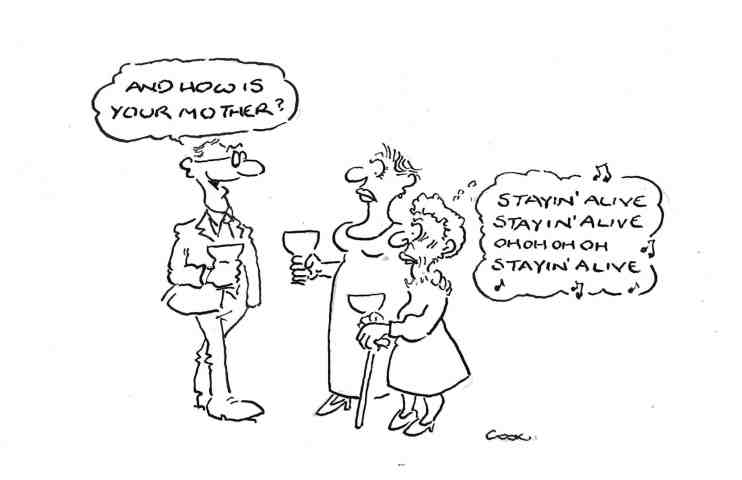
As I attempted to roughly assemble a reply, I experienced a sort of fast-track flashback of my parents in dozens of scenarios of vulnerability and pain and grief and frustration and humiliation and anger. Rapid-fire movie clips of the “worst” of situations. A deluge of Mum’s and Dad’s Least Funny home movies. Snatches of Mum and Dad defenceless in hospitals, in shops, in waiting rooms, in banks, in their own home, even in their own bed.
I sort of choked. I sat there making strange, half-word noises, as I sank under a tsunami of emotions.
Ita expertly threw in a lifeline and hauled me up with a perfectly manicured hand and a diversionary question.

For days I grappled with what had happened: What was that question? Why did it swamp me? Why did it wrap around my ankles like a concrete boot and drag me in an instant to the depths of grief?
What I have come to understand is that the most surprising thing about caring for my parents was the sheer number of times they needed me to be their advocate. Not to offer a helping hand or elbow, or lift things they couldn’t lift themselves, or drive them places, or cook them a meal, or cleanup for them, or sit down with them, but to step in for them. Against the world.
As they aged and became more disabled and more vulnerable, the need for an advocate increased.
They needed me to speak up for them. They needed me to protect them against impatience and indifference and condescension, against people who spoke over them or about them in front of them, or who muttered or mumbled or simply treated them as ex-people. They needed me to push back and explain and insist on them being treated respectfully, to be heard, and to hear.
It is quite shocking just how persistently people undermined their dignity and their right to have a voice. Often these were the very people who were supposed to be supporting them. Like the lawyer who kept them waiting 45 minutes and then whispered, even though she knew they were largely deaf. Or the doctor who sewed up my father’s wound without anaesthetic and with the hasty hand of someone fixing an old childhood toy. (I wasn’t in the room or I would have decked that doctor with the most expensive piece of his equipment available.)
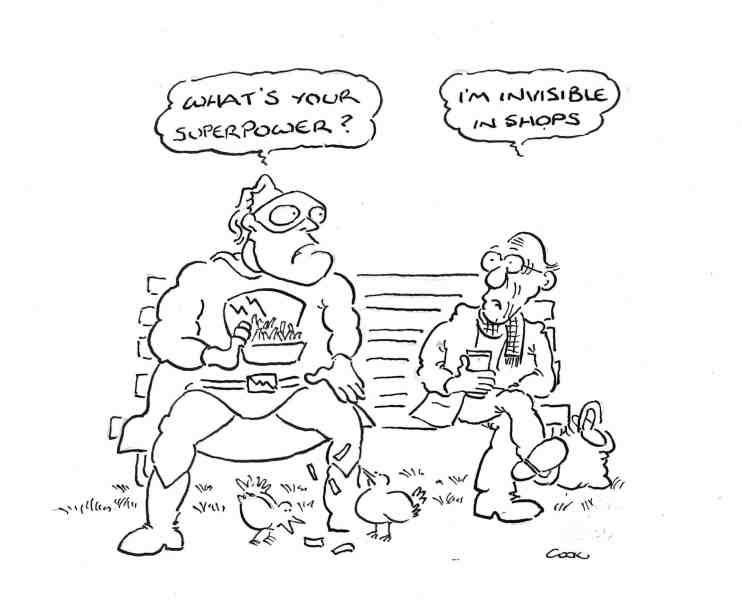
There is constant, remorseless discrimination towards those with physical or mental or sensory impairment, and laws against it, which don’t seem to apply if these disabilities come with age.
Many of us discover this when our loved ones age, but many more people, who live with a disability or care for someone with a disability, have always known this.
And it is everywhere: from seeking understanding and information from a medical specialist to buying a hamburger from McDonald’s.
People and organisations can be impatient, dismissive, derogatory and bullying. And this is the ongoing surprise. Do these people not know any elders? Are they not related to any? Do they not intend to age, or just to VAD on retirement?
In a recent newspaper article, the writer whined about her mother needing care and imposing on the writer’s actual real life, and why couldn’t her mother just stop being selfish and die. Harsh? A little. Perhaps her real life consisted of neglecting her own children or not watering the plants and going on cruises to drink Mai Tais with strangers, out of buckets, and her mother was a drag on these life choices. I hope she discovers somehow that meaning in life more often comes from bonds, human bonds and connections.
Sometimes these bonds will feel like bondage, and yes, sometimes love will be clouded with resentment, just from time to time. Caring isn’t one long cloudless, sunny day. But when your elders are gone, how absent from your life they are. How much more real it is to be present for them while they are present. And it could be a life lesson for your own loved people, even if they wonder why you’re not around as much as they, or you, might like. They might even speak up for you one day.





Sep. 07, 2026
Commonwealth Home Support Program
Funding Extended to 2029

Sep. 01, 2026
The 3G Travel Trend

Sep. 01, 2026
Top 5 Questions to Ask
When Considering Downsizing

Sep. 01, 2026
When Caring Changes
Practical Information Every Family Should Record

Sep. 01, 2026
Carer Gateway Counselling
Helping Carers Feel Less Alone