
Support, guidance & advice for todays primary carers
When is Respite not Respite?

Article by
Jean Kittson
Adjust text size:
When Respite is spent worrying whether the person you care for is being well looked after.
When this worry means Respite simply becomes another layer of angst and responsibility.
When instead of having a couple of weeks kicking back, doing fun things like – getting root canal surgery, cleaning the bathroom and reacquainting yourself with your children by counting their new tattoos – you are running backwards and forwards to the residential aged care home to try to soothe anxious loved ones and find out exactly what is going on.

You need to get Respite right. That is why conversations about Respite are essential to making sure that Respite – if and when you need it – is the win/win situation it should be.
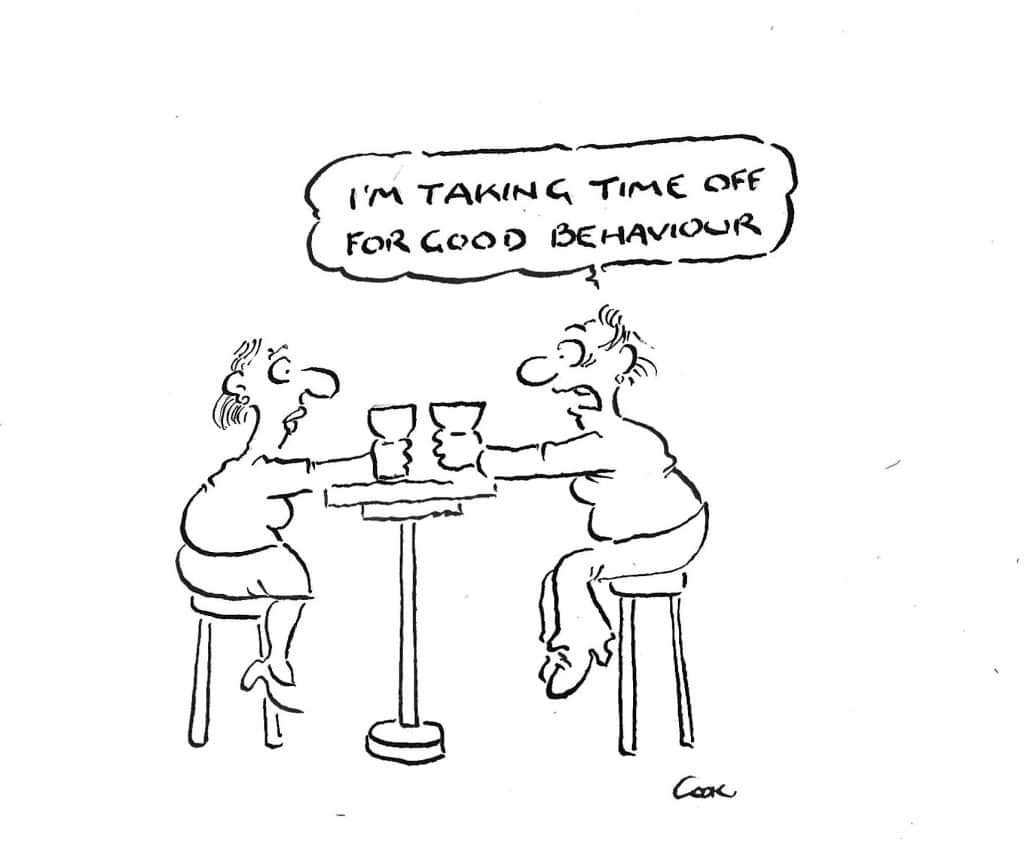
Respite should provide the opportunity for carers to entrust the care of our loved ones to others and give us a rest, a chance to breathe out. Literally. All those years of caring, a lot of time I felt like I was holding my breath, just waiting for the next crisis or should I say ‘challenge’. No bugger it, crisis. My face was often an attractive shade of blue.
And speaking of blue, the need for respite will often come out of the blue.
That is why you need to be prepared. If you have never had a conversation about Respite with the person you care for, then Respite can be frightening and traumatising and there will be resistance.
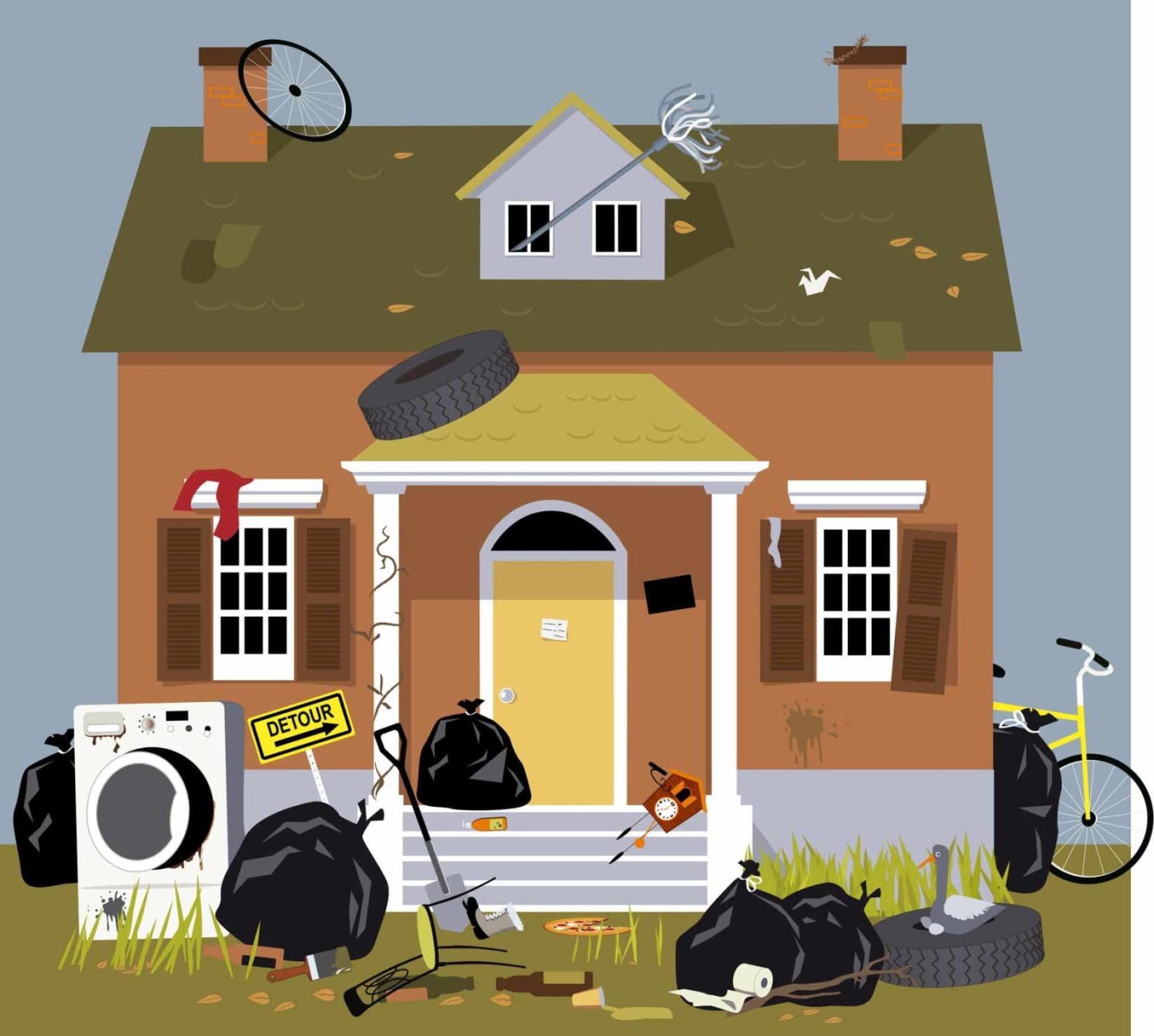
Because Respite is usually provided in residential aged care homes, which have beds specifically for respite, the fear of Respite is not only the fear of leaving our own homes and beds and familiar surroundings, but also the fear of residential aged care itself.
The findings of the Royal Commission into Aged Care included so many stories of callousness, cruelty, incompetence, abuse, neglect and a little light theft, that we are all entitled to be edgy about wholly outsourcing our elders’ care. Even for a couple of weeks.
Although we all hope that these findings will bring some accountability to the sector, some minimum standards of humanity, honesty, and bookkeeping, meanwhile, the standard of care still varies greatly.
The most important thing we must do to protect our elders is to be informed about the aged care home we choose for Respite.

I have learnt from bitter experience, on ongoing trauma, that knowing exactly what services they provide and who is providing them is absolutely essential.
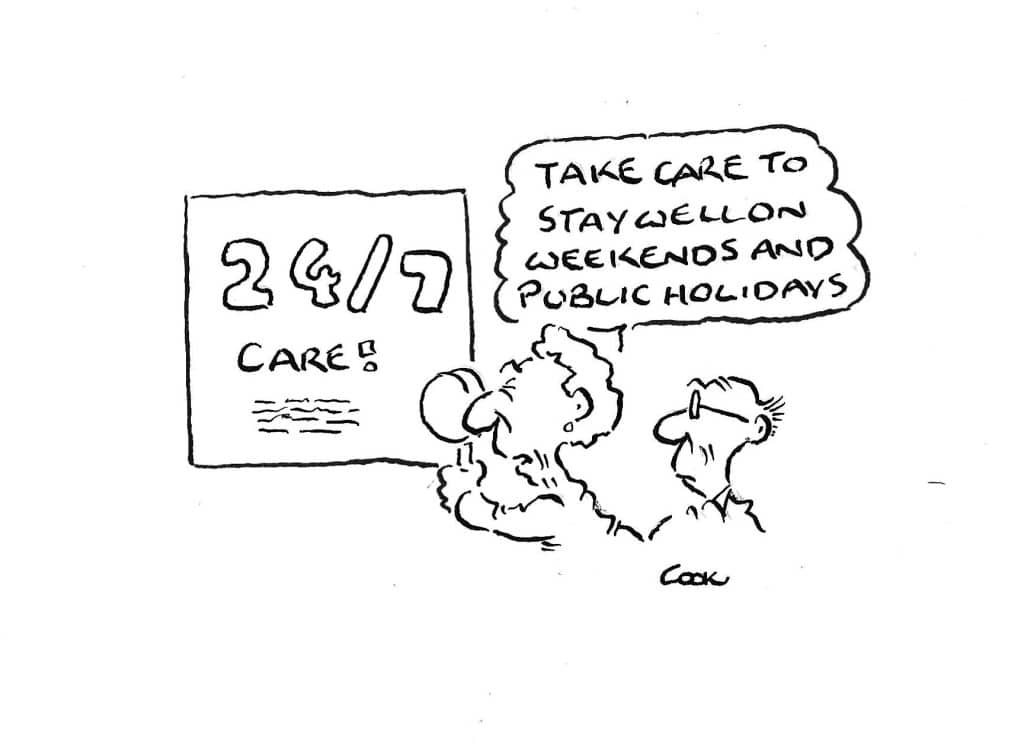
If there is one doctor for 70 beds, can the resident actually get the medical care they need, when they need it? What about after-hours? Or during public holidays? When this one doctor is away, who takes their place?
If there are Registered Nurses (RN’s) on duty 24/7, find out what they can actually do. Can they prescribe a course of antibiotics if a resident has a fever on a weekend when the doctor is not available? Can they even give the resident a Panadol?
What are the protocols for dealing with a resident who is unwell?
If there is an acute illness, is an ambulance called immediately or are there layers of senseless protocols that delay and cause suffering?
In the case of a health crisis what support do they offer the resident?
Do they have specialised palliative care available 24/7? They might say they do, but you must ask for details. What you understand by specialist 24/7 Pal Care might be nothing like the reality.
Residential Aged Care is the last home for most residents, so specialised Pal Care should be compulsory. Choose a residence where they understand the inestimable benefits of specialised pal care and that it is a 24/7 service they provide.
We also need to know what happens between our visits, and if there is a problem we must know to whom to complain.
There are reputable residences available; we just need to know how to identify them.

In my book I have a list of 120 questions to answer before choosing residential aged care.
With Respite, we can easily think “It’s only for one or two weeks, we need not be so scrupulous about the detail.”
But believe me, you need to know this stuff.
Both my parents died in what was meant to be two weeks Respite.
For me, it was the worst two weeks of my long time caring for them.
It wasn’t so good for them either.
Remember, good Respite provides quality care, regular medical attention, nutritious meals, safety, social activities and less isolation.
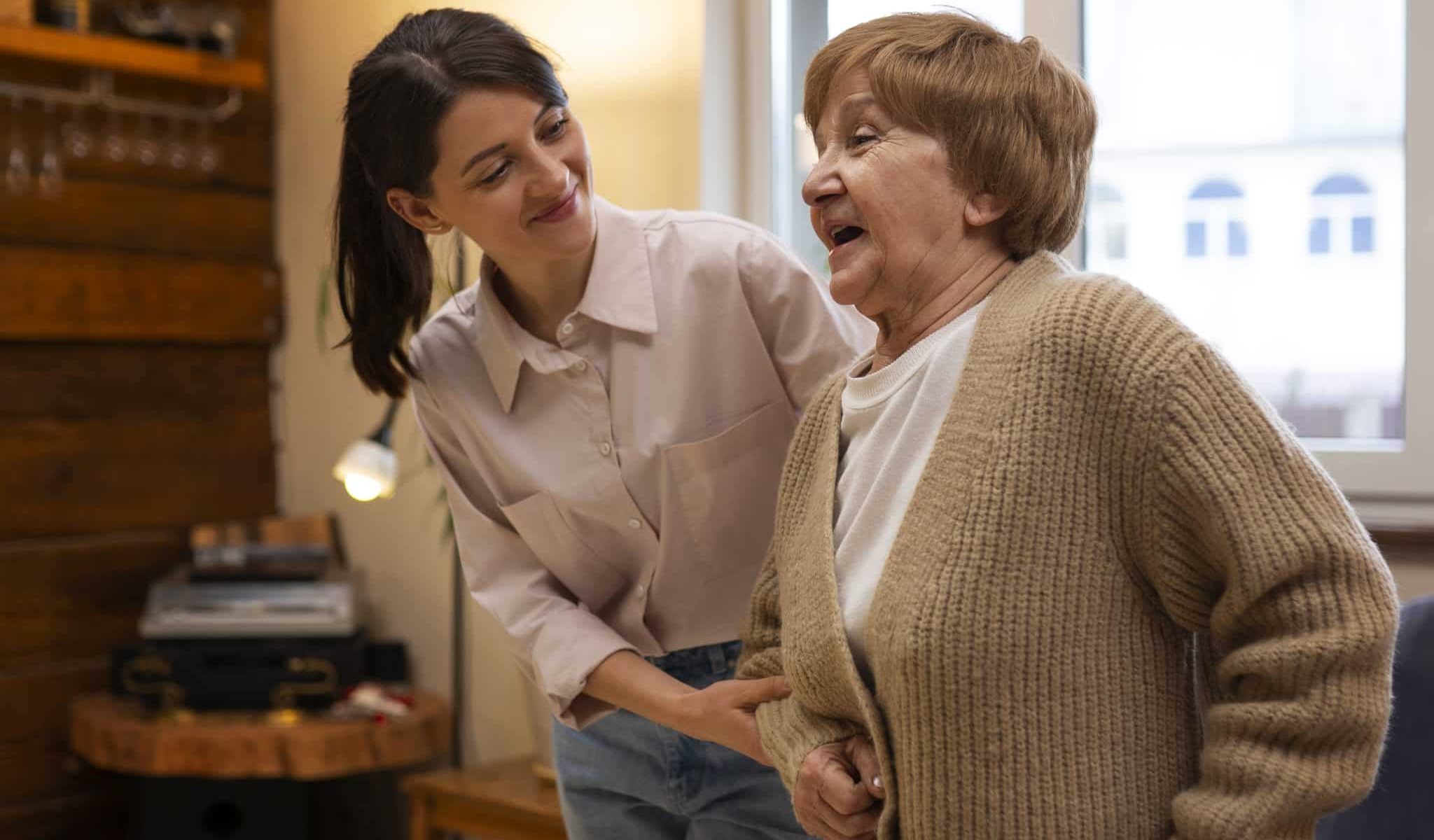
Good Respite can also help your loved one to feel better physically, because their health is constantly monitored. They receive treatment when they need it, they receive their meds on time, they have regular meals and are given glasses of water to stay hydrated. Their routine should become reassuring and stabilising.
Although they may find new routines and regulations and the inevitable loss of independence difficult at first, if they are in the right place, there should be a sense of security in being with people whose job it is to look after them.
This will leave you time for your job, which is to look after you.
Respite, at its best, is a holiday for you both.

Comments



























What is the name of Jean’s book?
We need to talk about Mum & Dad.If you google it, it will come up. Cheers
I was diagnosed with Herpes four years ago. For over two years, I relied on prescribed medications and treatments, but unfortunately, my condition continued to worsen. The flare-ups became more frequent, the discomfort increased, and even simple daily tasks became difficult to manage.Last year, out of desperation and hope, I decided to try a herbal treatment program from NaturePath Herbal Clinic. Honestly, I was skeptical at first, but within a few months of starting the program, I felt some changes. My discomfort eased, my energy levels improved, and I felt I had more control over my daily life again.It’s been a meaningful experience for me, and I feel more like myself than I have in years. This is simply my personal story. You can visit their website at http://www.naturepathherbalclinic.com
whatsapp +27604189106