Support, guidance & advice for todays primary carers
Take the Stress Out of Meal Times & Cooking
Article by
Australian Carers Guide
Adjust text size:
For many of us, cooking and sharing meals are some of life’s greatest pleasures. But for older Australians and their carers, what was once an everyday routine can slowly become a source of stress, fatigue, or even anxiety.
Whether it’s the physical effort of preparing food, the mental load of planning meals, or the emotional weight of eating alone, mealtimes can sometimes feel more like a challenge than a joy. The good news is that with a few small adjustments, it can become enjoyable again.
Why Mealtimes Become Difficult
There are many reasons why cooking or eating may start to feel overwhelming:
• Physical changes such as arthritis, weakness, or poor balance can make chopping, stirring, or standing at a stove difficult.
• Cognitive changes like memory loss or confusion can make following recipes or timing meals stressful.
• Appetite changes due to medications, taste alterations, or emotional health can lead to skipping meals or eating less.
• Loneliness or grief can make cooking for one feel pointless or sad.
If any of this sound familiar, you are not alone. Many carers and older adults experience the same thing, often without realising how common it is.
Keep It Simple
Cooking doesn’t have to mean starting from scratch every day. Ready-made and pre-prepped options can be a lifesaver.
Try these small changes:
• Buy pre-chopped vegetables or frozen mixes for quick stir-fries or soups.
• Use rotisserie chicken, tinned tuna, or eggs as easy protein sources.
• Keep pantry staples such as rice, pasta, soups, and baked beans for quick, comforting meals.
• Choose one-pan or slow-cooker meals to save on cleaning up.
Sometimes “good enough” meals are exactly what’s needed. The goal is nourishment and ease, not culinary perfection.
Plan Ahead
Meal planning helps take the daily pressure off. Set aside a few minutes each week to think about meals that are easy to prepare and reheat.
You might:
• Cook larger portions and freeze leftovers in single serves.
• Use grocery delivery services to reduce the physical effort of shopping.
• Write a short weekly meal list on the fridge to avoid daily decisions.
Even a loose plan can make you feel more in control and less overwhelmed.
Share the Load
Caring can be exhausting, and cooking every meal on top of everything else can push anyone to their limit. Look for ways to share the responsibility.
Ask family or friends to cook an extra portion when they make dinner, or swap meals once a week. If you are part of a carers’ group or community network, some offer meal rosters or volunteer deliveries.
You can also explore home-delivered meal options from providers through My Aged Care or the NDIS. Many now offer nutritious, affordable options tailored for seniors.
Make It Social Again
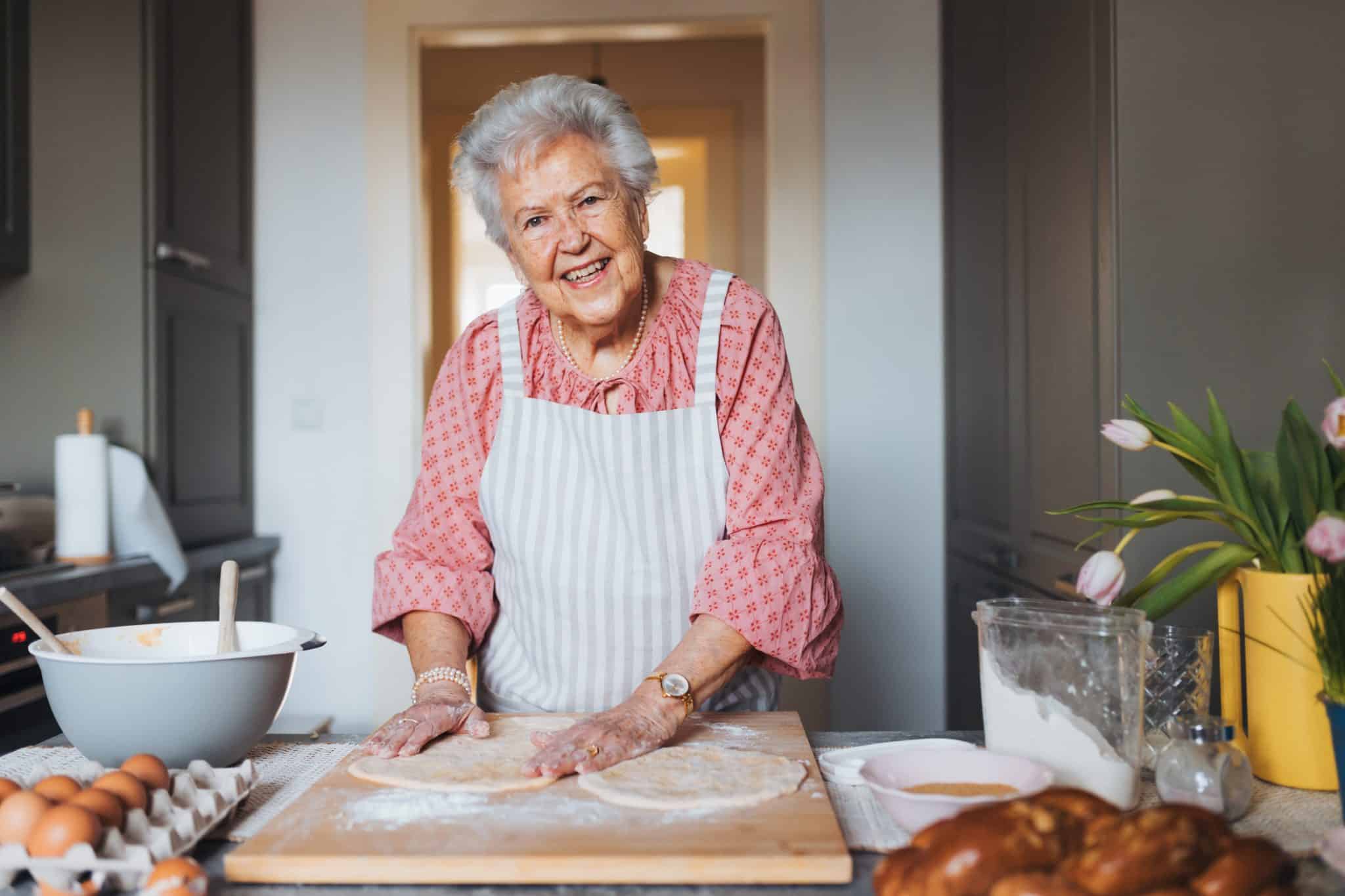
Food tastes better when it’s shared. If possible, eat with your loved one or invite a friend or neighbour to join. Even a short, shared lunch or a cup of tea together can lift spirits and improve appetite.
For carers, mealtimes can also be a chance to pause and connect, rather than another task to get through. Turn off the TV, play some soft music, and focus on the moment.
Encourage Independence (When Possible)
If your loved one still enjoys being involved, let them participate in ways that feel
manageable.
They could stir a sauce, peel a banana, set the table, or help choose what’s on the
menu. Feeling useful boosts confidence and keeps daily life meaningful.
If safety is a concern, adaptive kitchen tools like easy-grip utensils, non-slip boards, or automatic shutoff kettles can help maintain independence safely.
When Appetite Fades
If eating itself becomes difficult, focus on small, frequent, and easy-to-eat meals rather than three large ones. Smoothies, soups, scrambled eggs, or yoghurt with fruit are all gentle on the stomach but still nutritious.
Encourage hydration too, especially during summer. Water, milk, tea, or fruit infused water can help prevent dehydration and fatigue.
If loss of appetite continues, talk to a GP or dietitian to rule out underlying health issues.
Final Thought
Food is more than fuel; it’s comfort, culture, and connection. But when caring becomes your full-time role, even the simplest tasks can feel heavy. By simplifying mealtimes, sharing the load, and focusing on connection rather than perfection, you can bring the joy back to the table – one small meal at a time.