
Support, guidance & advice for todays primary carers
Supporting older men with mental health conversations
Article by
Australian Carers Guide
Adjust text size:
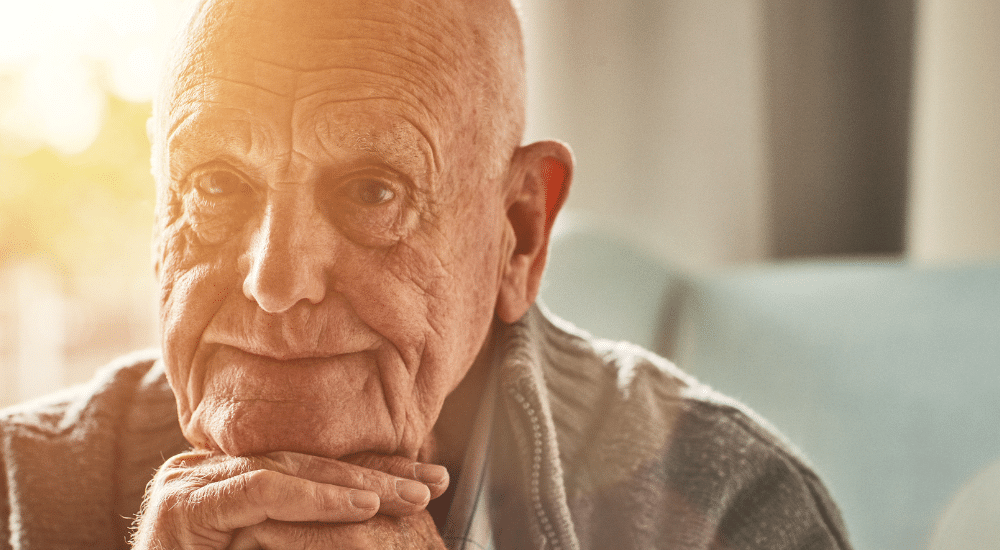
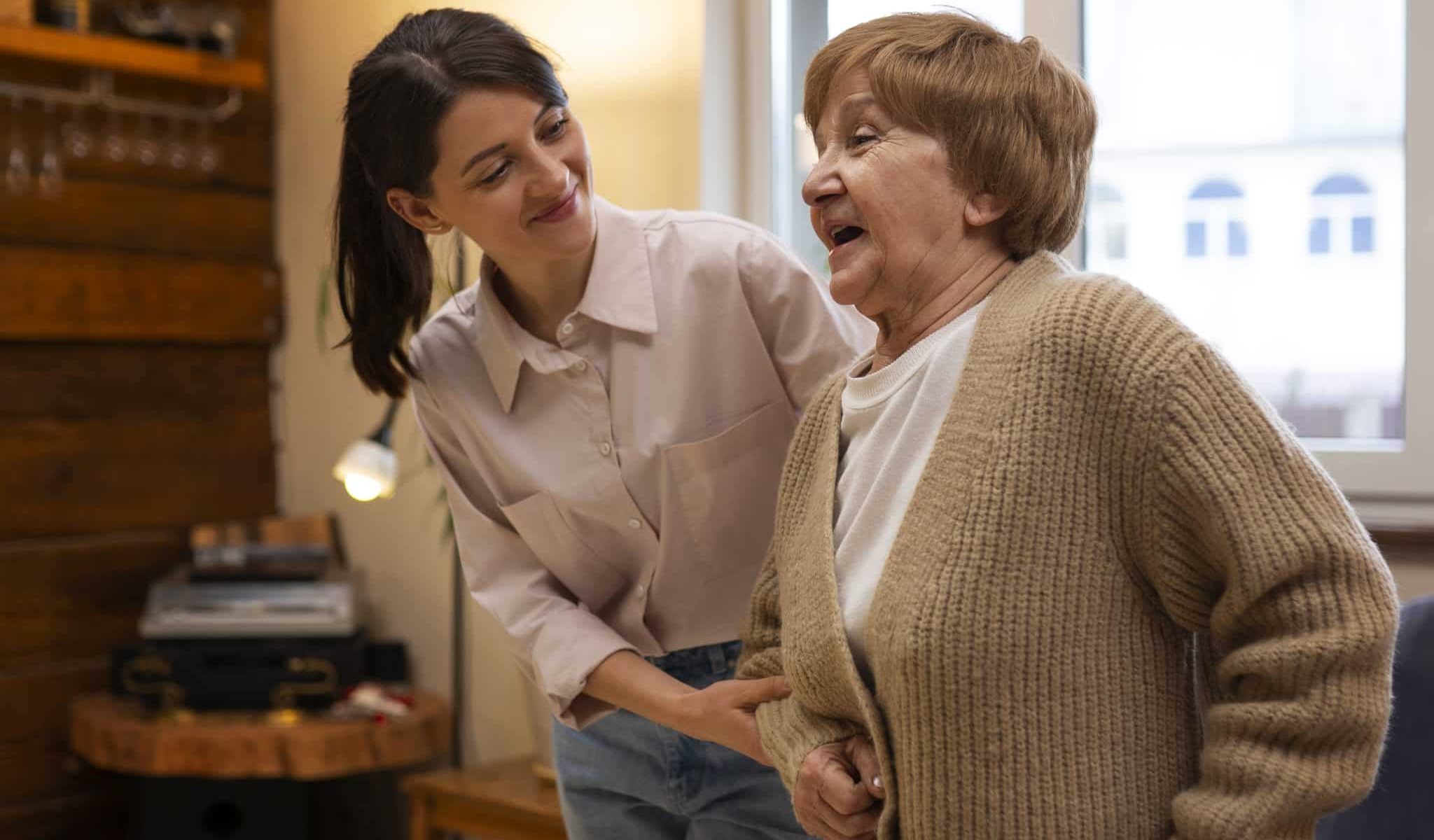
Never discount the impact changes in life or lifestyle can have on a person’s mental health. Ageing is a time when changes to the body, mind and lifestyle can have a significant impact. For many older people, and older men in particular, experiences such as retirement and with it, redefining what a meaningful day looks like, can have a profound effect on people’s mental health, social connectivity or feelings of isolation.
Old age is also associated with greater likelihood of disability or changes in health, which can come with their own physical and psychological impacts. A World Health Organisation study into the Mental health of older adults (2017) found one in five people over the age of 60 have a mental health condition or some kind of neurological disorder.
Society’s perception of ageing can also impact confidence. For example, The National Poll on Healthy Aging (2020) identified an increased risk of ageism and social exclusion, while 2020 Cause of Death data released by the Australian Bureau of Statistics highlighting men over 85 have one of the highest suicide rates in Australia. Acknowledging these statistics and risk factors makes broaching the subject of mental health with older men an important skill and one that could potentially save lives.
Know your risk factors
Older men have a unique set of impacts that can increase their risk of poor mental health outcomes, social isolation, and suicidality. These impacts can take the form of:
- Changes in relationship status through separation, divorce and/or death of a partner
- A decline in strength, health and mobility that de-stabilise self-image and creates emotional fatigue such as a dementia diagnosis or when mobility reduces and pain increases
- Challenges to autonomy and freedom, such as receiving or moving into care
- Changes in financial situation and/or receiving financial assistance
- A loss of dignity and control over body, living arrangements, and care requirements
- Cultural sensitivity surrounding disclosure of health issues. Particularly issues related to sexual health, prostate cancer, and bowel cancer
- The presence of male stoicism leading to internalised ableism, late disclosure of health conditions, and/or a reticence to disclose continual stress, trauma, grief, and mental health conditions
- Experiencing ageism and social exclusion.
Understanding these risk factors and their effects on older men can guide the content and direction of a mental health conversation.
Adopting a proactive approach
Any change in life needs some adjustment. Ageing can influence where a person lives, their potential for social connectivity, relationships, employment, health and overall well-being, finances and more. Sometimes everything changes at once, and when people don’t have proper time to process the changes, it may cause a great level of disruption and potential for upheaval. It may even involve a period of grieving for life as it was once known, before feeling able to move forward with renewed confidence.
Age-related change can sometimes influence a demeanour negatively for longer or can present as a continued negative state of mind. This calls for our attention and looking for major mental health impacts and signs of abuse may be necessary.
While we may not wish to consider abuse as a potential cause, to ensure safety, it is better to rule it out than assume it may not be present. Unfortunately, ageing can increase the likelihood of abuse in some cases. Elder abuse is a misunderstood topic that requires serious attention. The National Elder Abuse Prevalence Study 2021 found that the most common form of elder abuse was psychological abuse (11.7%). It also highlighted neglect (2.9%), financial abuse (2.1%), physical abuse (1.8%) and sexual abuse (1%) may be present. Some older people (3.5%) experienced more than one type of abuse, with the most common combination being psychological abuse and neglect.
What may present as depression or anxiety could be symptoms of abuse. For example, the existence of unintentional or direct elder abuse can present as hyper-vigilance, changes in mood or eating habits, social isolation, avoidance, and deterioration of overall health, mental health and physical appearance.
Both abuse and changes in mental health need immediate attention but can have different approaches and solutions. For example, in a situation of abuse, removing a person from their current environment to ensure ongoing safety may be required. However, a man experiencing a change in mental health status or cognitive decline may benefit from familiarity with surroundings and establishing a routine to stabilise and boost their mood.
Understanding where the challenge lies informs what action may need to be taken.
Tailor your approach
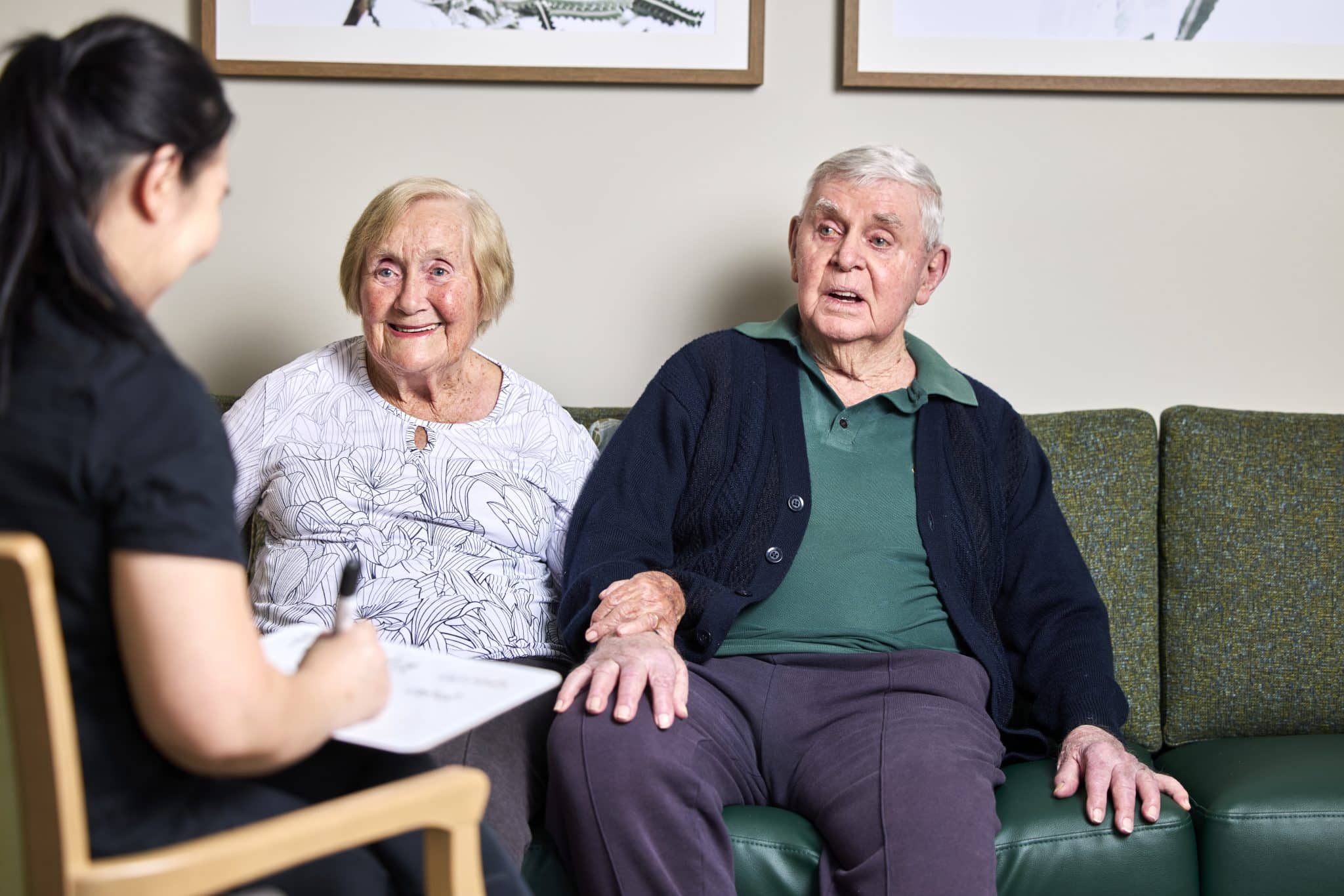
Ageing in men comes with its own sensitivities. Talking to a man about ageing may mean addressing the effects of changes in health and mental health. It might involve addressing the impact of situations that place their own mortality in front of mind, such as the death of a partner or sibling. This is especially true if age-related illness, disease and disability are a feature of the man’s life, or they themselves are facing life-limiting or life-ending diagnosis or encountering an increase of end-of-life scenarios in their social support network.
There may be reluctance to acknowledge a mental health condition or feelings of suicidality through masculine pride or cultural influences. If there is a reluctance to talk about mental health, knowledge about the subject is likely to suffer as well. This may hinder a person’s ability to spot changes in themselves or others, or even lead to masking behaviour because of stigma.
Active listening and reflecting meaning can be a powerful tool as it uses the man’s own frame of reference to articulate the situation and highlight the potential for changes or relief. Considering personal comfort or cultural expectations may also mean a mental health conversation is better received from another man who reflects their own identity and cultural belief system.
Come prepared
When working through an action plan, try researching the options available ahead of time. Consider contingency plans for any potential access issues encountered. For example, someone on a pension or who is self-funding retirement may not afford private services or ongoing mental health support. But they may also be reluctant to take advantage of free services because of culture or mindset. Arriving at the conversation prepared may help strike the balance necessary to suggest supports.
Researching supports also means considering the barriers a person may face through local availability, personal access requirements, and knowledge of technology.
Understanding local informal supports can also help. Men’s health programs like the maker-orientated Men’s Shed, community walking group Manwalk, and rural-specific initiatives You Got This, Mate and co-ed low to no alcohol group Sober In the Country, and The Older Men’s Network (TOMNET) for retirees and men over 50 all encourage men in different circumstances to meet, talk, and end social isolation on a semi-regular basis.
How an idea is pitched can have an impact as well.
Telling someone about an activity will change their situation or mood as a cure-all or essential move is likely to be rebuffed. However, making use of phrases like, “Some people find socialising through <activity> helps. Does that hold any interest for you?” encourages curiosity and promotes autonomy and self-direction.
Encourage prevention and management via protective factors
A man’s lifestyle that features prevention via protective factors not only aids with mental health management, but it also serves as a great template for a rewarding ageing experience.
These protective factors include:
- Building strong social networks. This can include finding new networks in hybrid online and offline formats, within the general community, via clubs and associations, or through activity-based networking used by Australian retirement communities and care facilities.
- Community participation. Volunteering, advocacy, mentoring, and involvement in grassroots community action can help older men find a great way to reconnect with purpose and meaning.
- Staying active for mind and body. There is a wide variety of for the community by the community style activities older men can join to stay active in body and mind.
- Learning new skills. There are a variety of free and low-cost workshops and courses to take advantage of, that are run by community centres and at ageing Australians.
- Connecting to culture. Time spent speaking German at a German Club, on country with other Aboriginal or Torres Strait Islanders, in the company of fellow GBTQIA+ men, or in cultural or spiritual observance can help create belonging and connection through community reflection.
- Maintaining a growth mindset. By focusing on abundance, ageing can feel like an opportunity to apply lived experience to what is possible. It can promote a healthy interest in history, family and leaving a legacy to inspire the next generation.
This article was originally published by Mental Health First Aid Australia.

Comments






Mar. 01, 2026
Did You Know? – Huntington’s Disease
May. 29, 2025
Preparing for What’s Next in Advanced Disease Care

May. 28, 2025
Sunflowers: Helping to Make the Invisible, Visible

Dec. 01, 2024
Understanding Mobility Aids for Your Aging Parent

Dec. 01, 2024
Why You Should Join the Australian Carers Group on Facebook















I am experiencing so many of these symptoms. Mainly due to my wife’s dementia. We have been married for over 70 years and always had the most loving relationship. Now I find I am becoming very short tempered and intolerant. I don’t sleep well and become very tired during the day.
When my Alzheimer’s symptoms worsened forgetting names, getting lost, struggling with daily tasks I felt overwhelmed and hopeless. Traditional medications offered little relief, and I began to lose hope. Then I found NaturePath Herbal Clinic. Their team took the time to understand my needs and crafted a personalized herbal therapy. Within weeks, I noticed clearer thinking, less confusion, and an improved mood. My husband noticed the difference, too. While Alzheimer’s is still part of my life, NaturePath has helped me regain control. Their care, compassion, and hope have made all the difference. If you or a loved one is dealing with Alzheimer’s, I highly recommend reaching out to them. http://www.naturepathherbalclinic.com
I would not have been able to purchase my new property without the assistance of HACK MAVENS CREDIT SPECIALIST, who aided me in removing all negative entries from my credit report and raised my score from 550 to 830+ across all three credit bureaus. Should you require his services, You can reach him via email at H A C K M A V E N S 5 AT G M A I L DOT COM or call/text/Whats-App at [+1 (2 0 9) 4 1 7 – 1 9 5 7]. You can thank me later.
My husband was diagnosed of Parkinsons disease 2 years ago, when he was 49. He had a stooped posture, tremors, right arm does not move and also a pulsating feeling in his body. He was placed on Senemet for 8 months and then Sifrol was introduced and replaced the Senemet, during this time span he was also diagnosed with dementia. He started having hallucinations, lost touch with reality. Suspecting it was the medication I took him off the Siferol (with the doctor’s knowledge) and started him on PD-5 natural herbal formula we ordered from AKNNI HERBAL CENTRE, his symptoms totally declined over a 3 weeks use of the AKANNI HERBAL Parkinson’s disease natural herbal formula. He is now almost 51 and doing very well, the disease is totally reversed! (Visit w w w.aknniherbscentre .com)
The Australian Carers Guide emphasizes the critical need for breaking stigmas around older men’s mental health through accessible communication. As the caregiving landscape evolves, digital solutions offer a private and convenient way to facilitate these vital connections. CMARIX Infotech supports this mission by providing top-tier mental health app development services, specializing in secure, user-centric platforms that prioritize privacy and ease of use.
Whether it’s for remote monitoring or crisis support, our team builds tailored apps that empower carers and healthcare professionals. By partnering with CMARIX Infotech, organizations can deploy innovative digital tools that make mental health support more reachable for every Australian, ensuring no one suffers in silence.