
Support, guidance & advice for todays primary carers
Why Do We Get SAD (Seasonal Affective Disorder)

Article by
Australian Carers Guide
Adjust text size:
During the colder, darker winter months, it’s not uncommon for some people to find they struggle for motivation, and their mood is a bit flatter than usual.
Often referred to as the “winter blues”, a smaller proportion of people, particularly the elderly, find that this can be debilitating.
We call this ‘seasonal affective disorder’ (SAD). It can be a very serious disorder, and prolonged and regular feelings of being sad and unmotivated can lead to depression.
What is Seasonal Affective Disorder?
(SAD) Seasonal affective disorder (SAD), also called seasonal depression, is believed to be brought on by the earlier sunsets and colder weather of winter and a lack of exposure to sunlight. The body’s natural circadian rhythm (body clock) is influenced by exposure to the rising and setting of the sun.
Scientists think that less sun exposure during shorter winter days can cause changes in brain chemicals like serotonin and melatonin levels. These biochemical changes can cause symptoms of depression.
SAD typically starts in late Autumn or early Winter and usually goes away in spring and summer when there’s plenty of sunshine.

Seasonal Affective Disorder Symptoms
Symptoms of seasonal affective disorder can start out mild and become more severe as winter progresses.
People with SAD often have symptoms that include:
• Lack of energy, feeling sluggish
• Loss of interest in once loved activities
• Irritability and agitation
• Increased need for sleep and/or problems with sleep
• Trouble concentrating
• Becoming anti-social, wanting to be alone
• Increase in appetite or weight gain
• Feelings of worthlessness or hopelessness
• Frequently thoughts of death or suicide
Less sun exposure during shorter winter days can cause changes in brain chemical
How SAD Affects Seniors and Their Carers
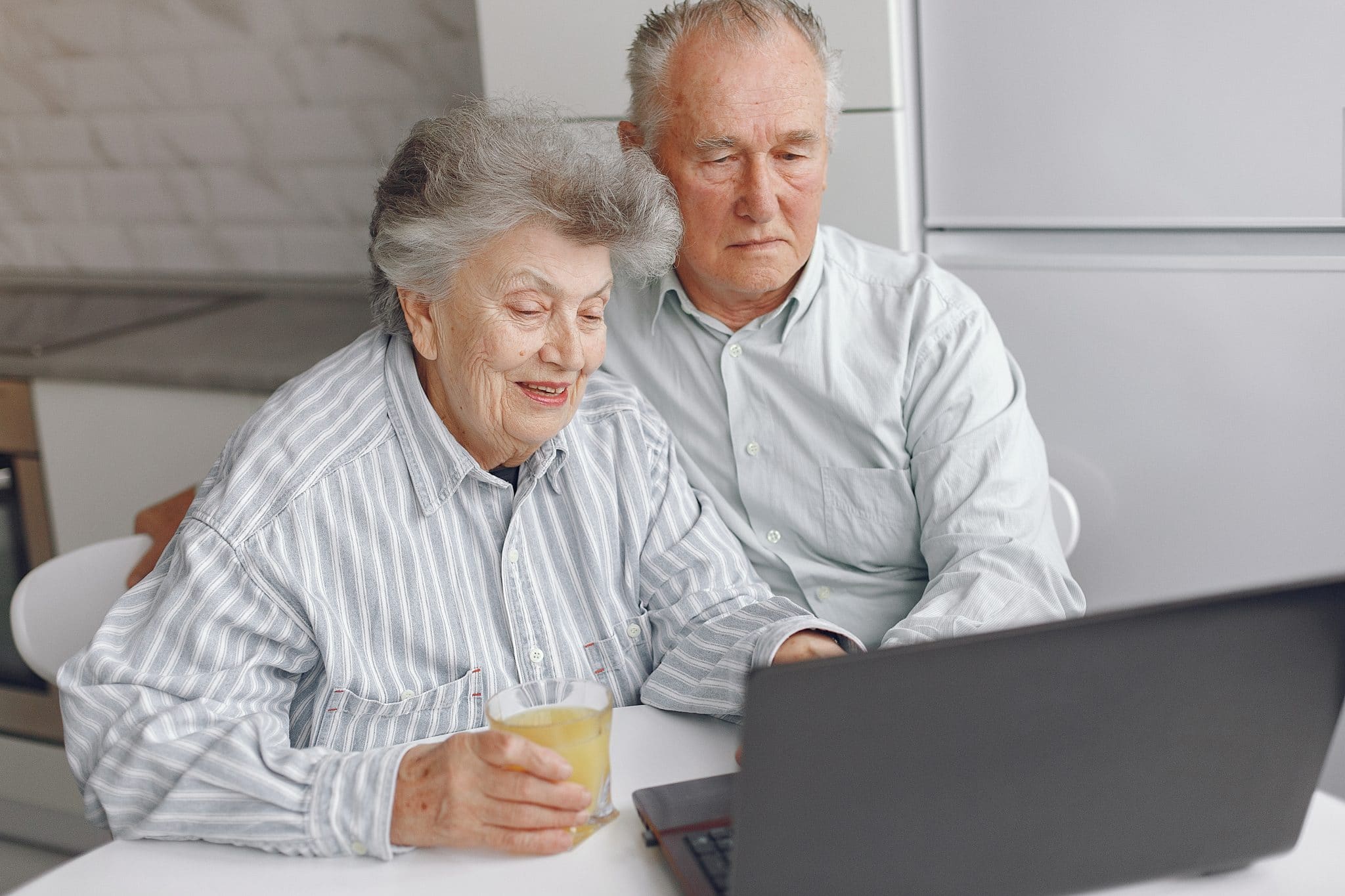
Many carers already experience symptoms of depression due to chronic carer stress or compassion fatigue. Seasonal depression can intensify these symptoms and worsen their already mild depression.
Similarly, many older adults who have serious illnesses or require caregiving help also have symptoms of depression. Beyond Blue estimates that 15-20% of adults over 65 experience depression.
When you’re aware of and can recognise the warning signs of SAD in yourself and your older adult, you can take action to prevent deeper depression and improve the quality of life for both of you.
4 Ways to Prevent and Manage (SAD) Symptoms
1. Know the Risk Factors
Being aware of the risk of developing SAD helps you be more proactive and notice symptoms sooner. SAD is more common in women than men.
Be aware of your family history, as people with a history or personal experience with depression may also be at increased risk. Living far from the equator, where there’s naturally less sunlight, increases the risk of SAD.
For example, it’s more common to have SAD during winter in Tasmania than in winter in far north Queensland. Low levels of vitamin D have also been found in people with SAD. Scientists suspect that vitamin D plays an important part in regulating serotonin levels.
2. Increase Light Exposure
One of the first steps in preventing and managing seasonal affective disorder symptoms is to get more exposure to natural light.
Suggestions for increasing natural light exposure:
• Opening window coverings to allow more sunlight into the home
• Spending the majority of time in the brightest rooms of the home
• Getting outside in the sun every day – that could mean a 10-minute walk or just getting out to the porch or backyard.
Indoor Light Exposure
Light therapy is another effective way to increase light exposure without having to go outdoors. This is especially helpful for people with mobility issues or when severe weather forces everyone to stay inside for days or weeks.
Doctors often recommend light therapy lamps (like these) to help increase light exposure. Sitting in front of this type of lamp for a set amount of time each day can reduce SAD symptoms.
Before trying light therapy, it’s best to check with a doctor because people with certain health conditions need to be careful because the wrong intensity or amount of light may cause problems.
3. Get Regular Physical Activity
Regular exercise and other types of physical activity reduce overall stress and anxiety, which helps to reduce SAD symptoms. Physical activity also helps tire the body, which improves sleep quality and duration for sleep-deprived carers and older adults.
Older adults also benefit from simple home exercise routines that help them get moving and, as a bonus, also build strength and reduce fall risk. As a carer, it can be tough to fit exercise in, especially during the cold winter months.
Finding ways to squeeze in small workouts at home is a great way to keep moving – it adds up quickly.
You could try following along with while watching beginner’s yoga videos, available for free on YouTube. Or doing squats and lunges while waiting for the microwave or doing some simple home stretches using a chair or the kitchen bench.
Beyond Blue estimates that 15-20% of adults over 65 experience depression
4. Seek Assistance
If you are concerned that you or your older adult may have seasonal depression, don’t hesitate to talk to the doctor.
They’ll be able to properly diagnose the cause of the symptoms and make recommendations that will help you feel better.
If symptoms are caused by SAD, they may recommend lifestyle changes to reduce stress, light therapy, appropriate medications.

When to See a Doctor
It’s normal to have some days when you feel down, especially as a caregiver or an older adult living with serious health conditions.
But feeling down for days at a time and not being able to get motivated to do enjoyable activities is a sign to see the doctor.
This is especially important if sleep patterns and appetite have changed or if you or your older adult starts talking doom and gloom, hopelessness, or Lord forbid, starts talking about wishing they were not alive.
Getting Help
If you suspect any of the above symptoms in you or your elderly loved one, contact Beyond Blue on 1300 22 636, or you can Chat with a counsellor online. Experienced online counsellors are here 24/7 at our Webchat Support Service.
All webchats are free, and you don’t have to tell them your name if you don’t want to. Simply jump online on click this link to talk to a counsellor at Beyond Blue.

Comments




















I was diagnosed with Herpes four years ago. For over two years, I relied on prescribed medications and treatments, but unfortunately, my condition continued to worsen. The flare-ups became more frequent, the discomfort increased, and even simple daily tasks became difficult to manage.Last year, out of desperation and hope, I decided to try a herbal treatment program from NaturePath Herbal Clinic. Honestly, I was skeptical at first, but within a few months of starting the program, I felt some changes. My discomfort eased, my energy levels improved, and I felt I had more control over my daily life again.It’s been a meaningful experience for me, and I feel more like myself than I have in years. This is simply my personal story. You can visit their website at http://www.naturepathherbalclinic.com
whatsapp +27604189106
I was diagnosed with Herpes four years ago. For over two years, I relied on prescribed medications and treatments, but unfortunately, my condition continued to worsen. The flare-ups became more frequent, the discomfort increased, and even simple daily tasks became difficult to manage.Last year, out of desperation and hope, I decided to try a herbal treatment program from NaturePath Herbal Clinic. Honestly, I was skeptical at first, but within a few months of starting the program, I felt some changes. My discomfort eased, my energy levels improved, and I felt I had more control over my daily life again.It’s been a meaningful experience for me, and I feel more like myself than I have in years. This is simply my personal story. You can visit their website at http://www.naturepathherbalclinic.com
whatsapp +27604189106
I am Dr. Ayo Christopher, I am a Great traditional Herbal Medicine Doctor. I specialize in treating any kind of diseases and infections using natural Herbal Medicine. I have effective Herbal Cure for Herpes, scabiei mite, Diabetes, Virginal infection, Genital, Gonorrhea, warts virus infections, Leukemia, Lung Cancer, Menopause, Hepatitis A B C and HIV and other deadly infections. I have treated more than 20 patients that have Herpes (HSV 2) and all of them were cured. My herbal medicine is 100% safe, there are no side effects and You will start seeing clear results as early as 7 days.
If you have been taking conventional medicines for that Herpes infection and you are still having those re-occuring outbreaks, why don’t you try Herbal Medicines and see it get cured in weeks. For more information, send me an
Email: ridvid8@gmail.com
Telegram: @wafri01
website: //ridvid8.wixsite.com/dr-ayo-herbs-home/about-5
It’s a topic that truly needs more understanding, especially for carers and seniors. It’s a tough, real challenge that goes far beyond just “winter blues.” When someone is in that place, finding accessible support can feel overwhelming. For anyone looking into online therapy options, I found it helpful to have the BetterHelp phone number easily available on their main website while researching. I sincerely hope this resource can help someone find the support they deserve.