
Support, guidance & advice for todays primary carers
6 Ways to Get Your Loved One With Dementia to Take Their Medication

Article by
Australian Carers Guide
Adjust text size:
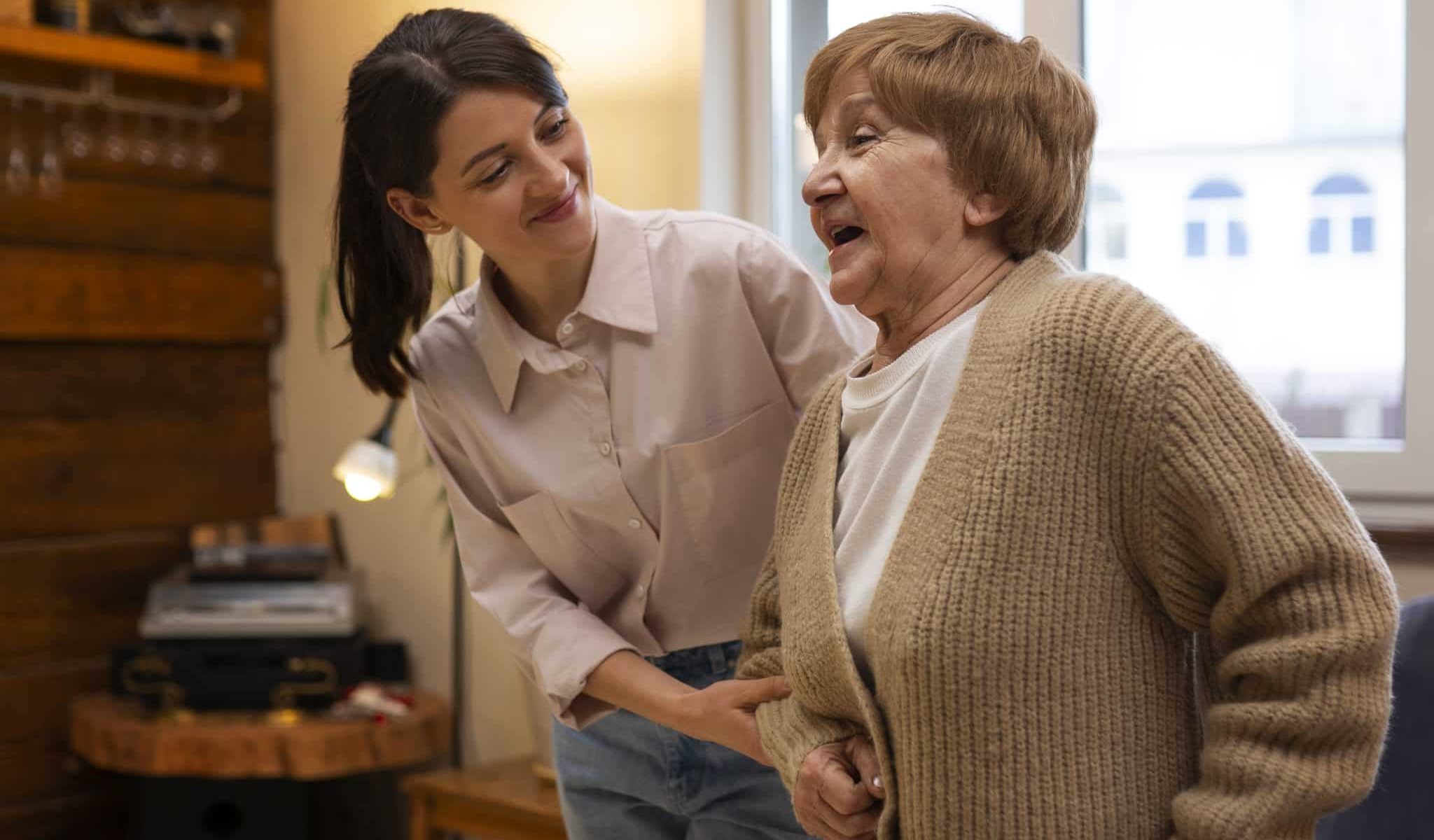
Caring for a loved one with dementia can be challenging, especially when it comes to ensuring they take their medication.
Dementia affects memory, cognition, and behaviour, making it difficult for individuals to remember or understand the importance of taking their prescribed medications. Here are five practical ways to encourage and assist your loved one in taking their medication consistently.
1. Create a Structured Medication Routine
One of the most effective ways to ensure your loved one with dementia takes their medication is by establishing a structured medication routine. Create a daily schedule that includes specific times for taking each medication. Display the schedule prominently in their living area, and remind them verbally when it’s time to take their medicine. Using visual aids such as pill organizers can also help your loved one visualize their daily medication routine. If they like certain colours, consider getting these accessories in their favourite colour as that’s something they can look forward to.

2. Simplify Medication Administration
Dementia can cause confusion and difficulty in managing multiple medications. Simplify the medication administration process by organizing the pills in a weekly pill dispenser, separating them by day and time. This simplification reduces confusion and makes it easier for your loved one to identify and take the correct medication at the right time.
3. Use Memory Triggers
Memory triggers can be powerful tools to help individuals with dementia remember to take their medication. Associating medication time with a specific event or routine can help trigger their memory. For example, you can associate taking medication with mealtime or a favourite television show. By consistently linking medication intake to a familiar activity, your loved one is more likely to remember to take their medication.
4. Involve Them in Decision-Making
Empowering your loved one with dementia and involving them in decision-making can foster a sense of independence and increase their cooperation with medication intake. Whenever possible, provide them with choices and allow them to make decisions regarding their medication. For example, you can ask them which flavour of liquid medication they prefer or involve them in organizing their pill dispenser. This sense of control can motivate them to take their medication willingly.
5. Use humour
Humour can be a powerful tool to help your loved one with dementia take their medication.
Rename the medication with funny names (think: “Flower power pills” or “Vitamin Goodness”, create silly drinking rituals, develop humorous songs or rhymes, use distractions with jokes or stories, and incorporate funny visual prompts.
These can make the medication administration process more enjoyable and engaging for your loved one, thus increasing their willingness to take their medication. Remember to tailor the humour to their preferences and always maintain respect.
6. Seek Professional Support
If you’re facing challenges in getting your loved one with dementia to take their medication, it can be beneficial to seek professional support. Organisations like Dementia Australia provides end-end support or consult with your healthcare provider for guidance on medication management strategies. They can provide valuable insights, recommend alternative formulations (such as patches or liquid medications), or suggest assistive devices to simplify the medication process.
Taking medication consistently is crucial for individuals with dementia to manage their condition effectively. While it can even be frustrating to encourage medication adherence in a loved one with dementia, implementing structured routines, simplifying the administration process, using memory triggers, involving them in decision-making, and seeking professional support can significantly increase the likelihood of success. ACG
Remember, consistency and support are key when caring for someone with dementia. ACG

Comments







Mar. 01, 2026
Living at Home with Dementia

Nov. 30, 2025
Staying Connected and Engaged Over Summer
Sep. 01, 2025
The NEW Updated Understanding Dementia
MOOC (Massive Online Open Course)
Sep. 01, 2025
How Does Dementia Cause Changes in Behaviour?
Aug. 01, 2025
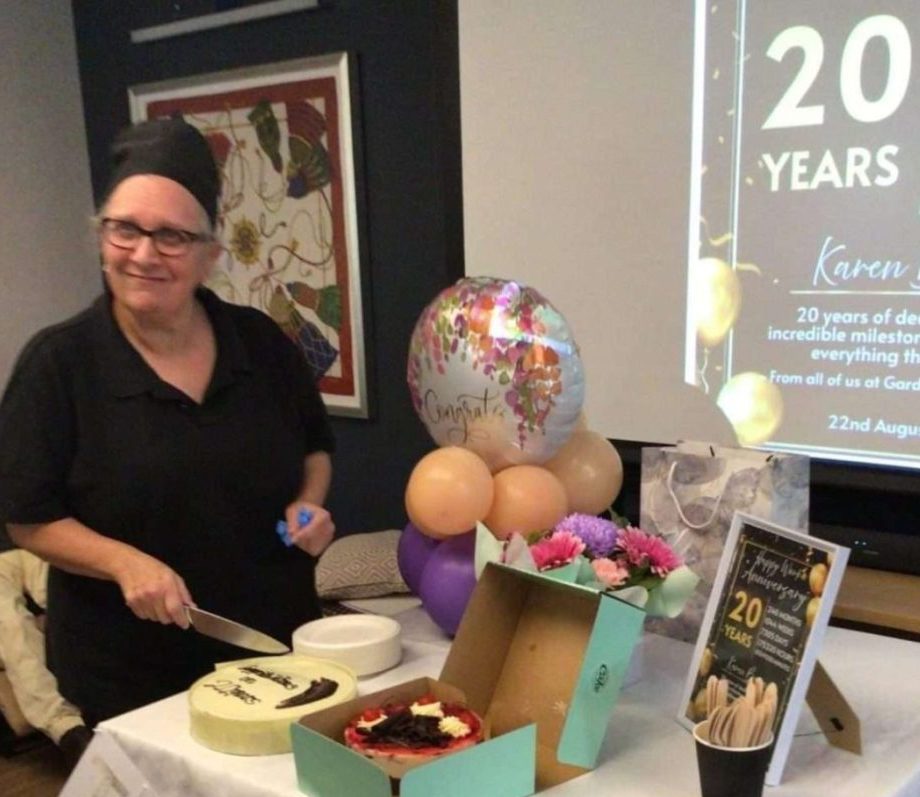
Karen Brown, the Culinary Virtuoso
of Garden City Aged Care Services















When my Alzheimer’s symptoms worsened forgetting names, getting lost, struggling with daily tasks I felt overwhelmed and hopeless. Traditional medications offered little relief, and I began to lose hope. Then I found NaturePath Herbal Clinic. Their team took the time to understand my needs and crafted a personalized herbal therapy. Within weeks, I noticed clearer thinking, less confusion, and an improved mood. My husband noticed the difference, too. While Alzheimer’s is still part of my life, NaturePath has helped me regain control. Their care, compassion, and hope have made all the difference. If you or a loved one is dealing with Alzheimer’s, I highly recommend reaching out to them. http://www.naturepathherbalclinic.com
I was diagnosed with Herpes four years ago. For over two years, I relied on prescribed medications and treatments, but unfortunately, my condition continued to worsen. The flare-ups became more frequent, the discomfort increased, and even simple daily tasks became difficult to manage.Last year, out of desperation and hope, I decided to try a herbal treatment program from NaturePath Herbal Clinic. Honestly, I was skeptical at first, but within a few months of starting the program, I felt some changes. My discomfort eased, my energy levels improved, and I felt I had more control over my daily life again.It’s been a meaningful experience for me, and I feel more like myself than I have in years. This is simply my personal story. You can visit their website at http://www.naturepathherbalclinic.com
whatsapp +27604189106