
Support, guidance & advice for todays primary carers
First Aid For The Frail
Article by
Australian Carers Guide
Adjust text size:
Special considerations and first aid practical tips
Caring for frail elderly loved one means being prepared for emergencies. Older adults, particularly those with pre-existing conditions or physical frailty, may experience health crises that require immediate action. While professional help is always the first step, having a foundation of knowledge about first aid can make a crucial difference in those first critical moments. We outline practical advice for handling emergencies in frail individuals, emphasising the importance of preparedness and professional guidance.
Why Special Considerations Are Necessary for the Frail
Frail older adults often have complex health conditions, making first aid more challenging. Their bodies may not respond to interventions in the same way as younger individuals, and the risks of complications can be higher. For instance:
Fragile Skin and Bones: Thinner skin and brittle bones make injuries more severe and healing slower.
Chronic Conditions: Conditions like diabetes, heart disease, or respiratory issues can complicate treatment.
Reduced Mobility and Cognition: Limited mobility and cognitive impairments may make communication and cooperation difficult during emergencies.
Understanding these vulnerabilities can help carers approach first aid with the right mindset and techniques.
General Principles of First Aid for the Frail
Before diving into specific scenarios, here are some key principles to keep in mind:
Stay Calm: Frail individuals may panic or become confused. Remaining calm can help soothe them.
Call for Help Immediately: Always call 000 in Australia for emergencies and follow the operator’s instructions.
Adapt to Their Needs: Tailor your approach to their physical and cognitive abilities.
Be Gentle: Use extra caution to avoid causing additional harm, such as fractures or skin tears.
Know Their Medical History: Familiarity with their conditions, medications, and allergies can guide your actions.
Common Emergencies and How to Respond
1. Falls
Falls are one of the most common emergencies in the elderly and can result in fractures, head injuries, or soft tissue damage.
What to Do:
Do not move them unless they are in immediate danger.
Check for signs of injury, such as swelling, pain, or deformity.
Comfort them and encourage them to remain still while waiting for help.
If they are conscious and able, encourage them to roll onto their side before attempting to sit up gradually.
Prevention Tips:
Ensure the home is free of trip hazards.
Provide mobility aids and encourage their use.
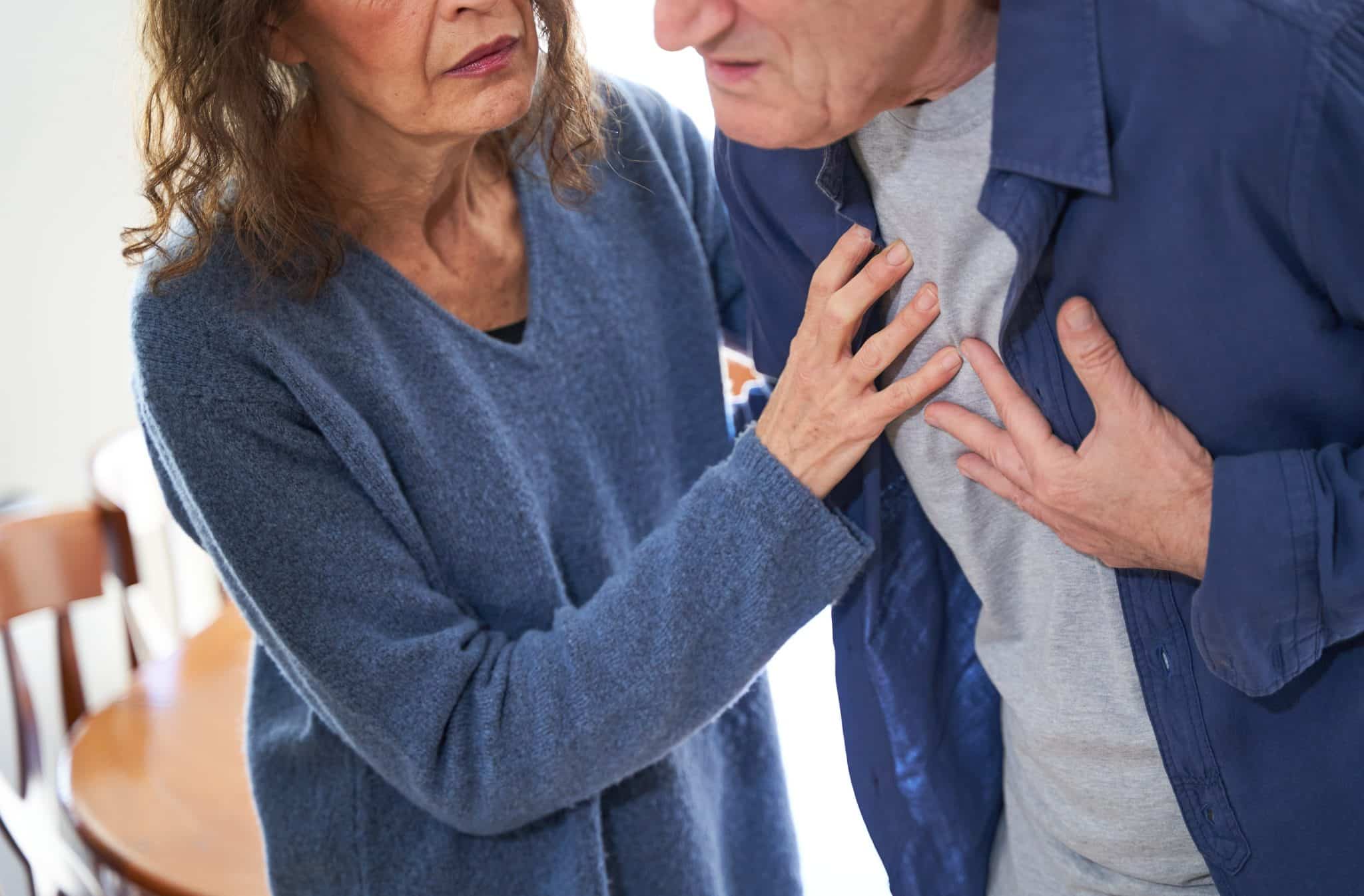
2. Chest Pain or Suspected Heart Attack
Chest pain in the elderly should always be treated as a medical emergency.
What to Do:
Call 000 immediately.
Sit them down in a comfortable position, ideally leaning slightly forward.
Loosen tight clothing.
If prescribed, assist them in taking their nitro-glycerine medication.
Reassure them and stay with them until help arrives.
Warning Signs:
Shortness of breath, nausea, sweating, or pain radiating to the arms, jaw, or back.
3. Stroke Symptoms
The acronym FAST can help you recognise and respond to a stroke:
Face: Is one side drooping?
Arms: Can they lift both arms?
Speech: Is their speech slurred or incoherent? Time: Call 000 immediately if any of these signs are present.
What to Do:
Keep them comfortable and monitor their condition while waiting for help.
Avoid giving them food or drink, as swallowing may be impaired.
4. Breathing Difficulties
Breathing problems can arise from asthma, chronic obstructive pulmonary disease (COPD), or infections.
What to Do:
Sit them in an upright position to help with airflow.
Use prescribed inhalers or oxygen if available and indicated.
Call 000 if breathing does not improve or worsens.
Watch For:
Cyanosis (blue lips or fingertips) or severe wheezing, which require immediate medical attention.
5. Hypoglycaemia (Low Blood Sugar)
Diabetics are at risk of low blood sugar, especially if they’ve missed meals or taken too much insulin.
Warning Signs:
Shakiness, sweating, confusion, or loss of consciousness.
What to Do:
If they are conscious, provide a sugary drink or snack, such as juice or glucose tablets.
If unconscious, place them on their side and call 000.
Prevention Tips:
Ensure regular meals and monitor their blood sugar levels as recommended.
6. Dehydration and Heat Exhaustion
Frail individuals are more susceptible to dehydration, especially in warm weather.
What to Do:
Move them to a cool, shaded area.
Encourage small sips of water if they are conscious.
Apply a cool compress to their forehead and neck.
Call 000 if symptoms worsen or they lose consciousness.
7. Choking
Difficulty swallowing can increase the risk of choking.
What to Do:
If they are coughing, encourage them to continue as it may dislodge the object.
If they cannot breathe or make noise, call 000 immediately.
Perform back blows followed by chest thrusts if trained to do so.
Preparing for Emergencies
Being prepared can make a significant difference in how effectively you respond to emergencies.
Here are some steps you can take:
First Aid Training:
Enrol in a course tailored to the needs of the elderly.
Ensure other family members or caregivers are trained as well.
Keep Emergency Supplies:
A well-stocked first aid kit with items like bandages, antiseptic wipes, and gloves.
A list of their medications, medical conditions, and emergency contacts.
Emergency Plan:
Develop a clear plan for what to do in different scenarios.
Ensure easy access to important documents, such as medical records and advance care directives.
Regular Check-Ins:
Monitor their health regularly to catch potential issues early.
Schedule medication reviews to minimise risks of drug interactions.
While this guide provides practical advice for handling emergencies, it’s crucial to remember that professional medical help is indispensable. Always call 000 in an emergency and follow the operator’s instructions. Your role as a carer is vital but so is knowing your limits and relying on healthcare professionals when needed.
Preparedness, patience, and knowledge are your greatest tools in providing care for the frail. By staying informed and proactive, you can help ensure your loved one’s safety and well-being, even in challenging situations.

Comments
























In the above guide you have stated for carers to-
Know Their Medical History: Familiarity with their conditions, medications, and allergies can guide your actions.
As a carer for my husband for 30 years, I now find myself labelled coercive for medication for my husband for the exact information you have stated to know and provide to medical practitioners and hospitals. My husband is now refused the medical care and management he needs because of the manipulation of information given during medical presentations to the NWRH ED and Tasmanian Department of Health.
If your loved one requires pain management then be prepared for them to be labelled as a drug-seeker/abuser, and yourself as the carer to be ‘coercive’ for medication.
Page 24 of the RACGP PRESCRIBING DRUGS OF DEPENDENCE IN CLINICAL PRACTICE 4.2.1 General Assessment states:
“Drug seeking patients can often provide well developed histories which may seem very ‘real’. There is often a strong desire to work on the desire of doctors to minimise the distress of patients. Rather than being aggressive, many will be very pleasant with a credible story. In addition, not all drug seeking patients are faking symptoms. They may have a legitimate complaint…. “
The first response by doctors is therefore that the patient is lying and is drug seeking. Patients with legitimate pain are firstly being treated with suspicion. Not a genuine need for therapeutic intervention to manage the patients condition which includes severe pain.
With doctors being trained to be suspicious instead of cautious, there is a complete breakdown in the therapeutic relationship between doctor and patient. A complete loss of trust, which contributes to difficulties in every further interaction between the patient and medical professionals. Not to mention the standard of care drops, and all future presentations are biased towards suspicion and false assumptions. The level of care the patient gets, is forever compromised.
We should know. My husband is living proof for the last 12 years since moving to Tasmania. My petition https://www.change.org/Pain-Barrier states the issues clearly, if you think I am exaggerating. Please read, it may just open your eyes to what carers are really going through in an effort to have your loved ones serious medical conditions treated appropriately.
When my Alzheimer’s symptoms worsened forgetting names, getting lost, struggling with daily tasks I felt overwhelmed and hopeless. Traditional medications offered little relief, and I began to lose hope. Then I found NaturePath Herbal Clinic. Their team took the time to understand my needs and crafted a personalized herbal therapy. Within weeks, I noticed clearer thinking, less confusion, and an improved mood. My husband noticed the difference, too. While Alzheimer’s is still part of my life, NaturePath has helped me regain control. Their care, compassion, and hope have made all the difference. If you or a loved one is dealing with Alzheimer’s, I highly recommend reaching out to them. http://www.naturepathherbalclinic.com
I was diagnosed with Herpes four years ago. For over two years, I relied on prescribed medications and treatments, but unfortunately, my condition continued to worsen. The flare-ups became more frequent, the discomfort increased, and even simple daily tasks became difficult to manage.Last year, out of desperation and hope, I decided to try a herbal treatment program from NaturePath Herbal Clinic. Honestly, I was skeptical at first, but within a few months of starting the program, I felt some changes. My discomfort eased, my energy levels improved, and I felt I had more control over my daily life again.It’s been a meaningful experience for me, and I feel more like myself than I have in years. This is simply my personal story. You can visit their website at http://www.naturepathherbalclinic.com
whatsapp +27604189106
My husband was diagnosed of Parkinsons disease 2 years ago, when he was 49. He had a stooped posture, tremors, right arm does not move and also a pulsating feeling in his body. He was placed on Senemet for 8 months and then Sifrol was introduced and replaced the Senemet, during this time span he was also diagnosed with dementia. He started having hallucinations, lost touch with reality. Suspecting it was the medication I took him off the Siferol (with the doctor’s knowledge) and started him on PD-5 natural herbal formula we ordered from AKNNI HERBAL CENTRE, his symptoms totally declined over a 3 weeks use of the AKANNI HERBAL Parkinson’s disease natural herbal formula. He is now almost 51 and doing very well, the disease is totally reversed! (Visit w w w.aknniherbscentre .com)
Valuable insights on caring for frail individuals in emergency situations. Exploring study about pediatric light therapy could provide additional perspectives on gentle, non-invasive interventions that support overall health and recovery in vulnerable populations.
“Fragile skin and bones require extra care and attention, whether through nutrition, gentle routines, or medical guidance. Complementing that care with professional treatments like Dermal Fillers Mcallen can help maintain confidence while being mindful of overall health.”
HIRING GENUINE HACKERS TO CONSULT RECOVERY SPECIALISTS
I want to sincerely thank Safeguard Recovery Expert for their extraordinary skill; they are real heroes, and I wish I had met them sooner rather than reaching out to other hackers for help. If you read this comment, you might be able to get your hacked or blocked bitcoin investment back. I’m posting it for anybody who have been affected by cryptocurrency investment, mining, and trading frauds.
Email:
safeguardbitcoin@consultant.com
safeguardbitcoin.wixsite.com/safeguard-bitcoin–1
WhatsApp: +44 7426 168300