Support, guidance & advice for todays primary carers
Did You Know? – Huntington’s Disease
Article by
Australian Carers Guide
Adjust text size:
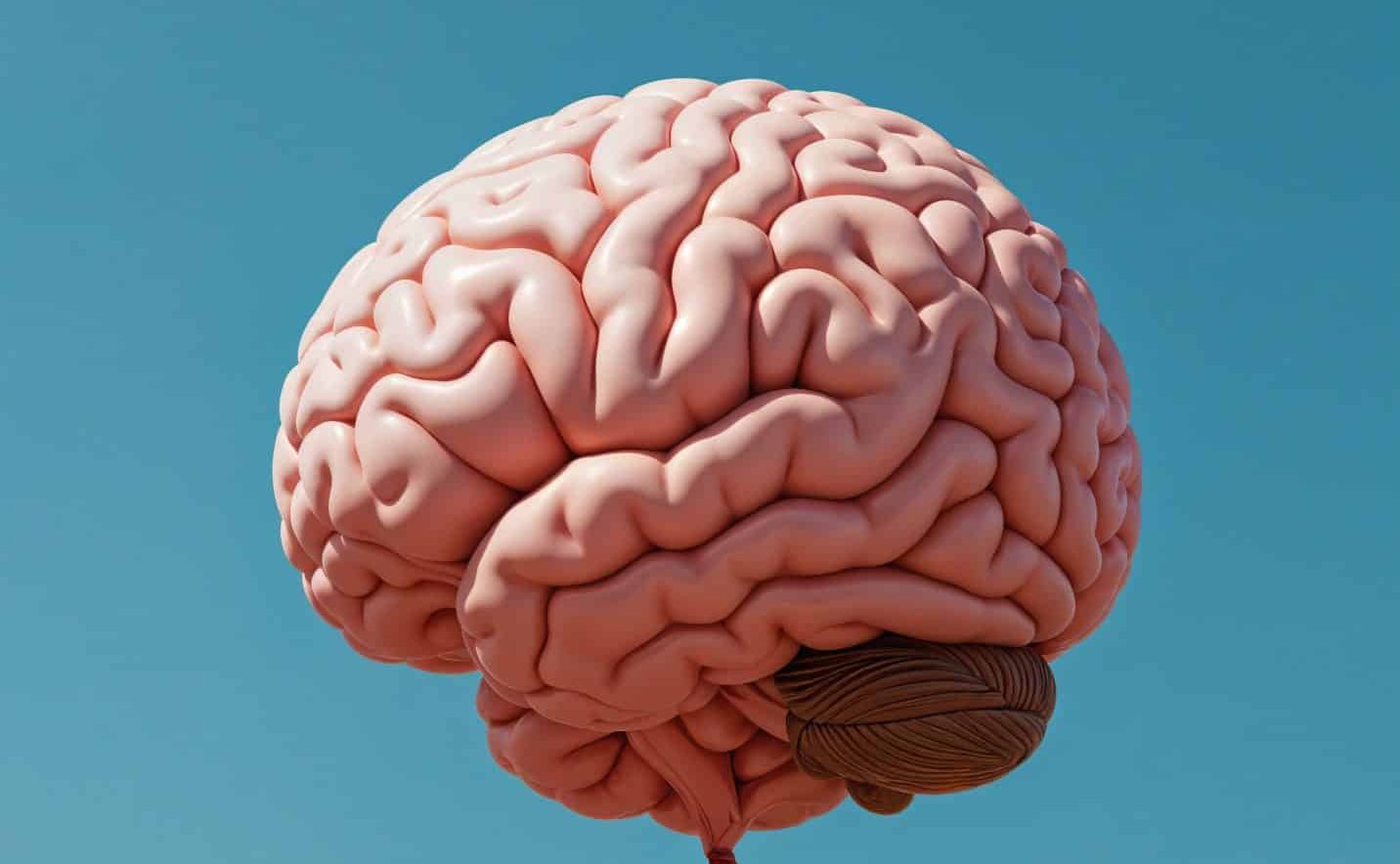
Huntington’s Disease (HD) is often described as having Alzheimer’s, Parkinson’s, and ALS all at once. It is a rare, inherited condition that causes the progressive breakdown of nerve cells in the brain.
Who can get it?
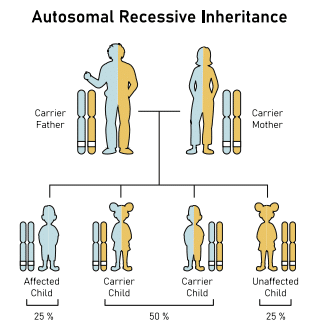
- The 50/50 Coin Flip: HD is an autosomal dominant genetic disorder. This means
if one parent has the gene, each child has a 50% chance of inheriting it. - No “Skipping” Generations: If a child does not inherit the gene, they cannot pass it on to their own children.
- Age of Onset: While it most commonly appears between the ages of 30 and 50, it can affect anyone. Juvenile HD occurs in children or teens (under 20), while Late-onset HD can appear after age 55.
What are the symptoms?
The disease is characterised by a “triad” of symptoms that worsen over 15 to 20 years:
1. Physical: Involuntary jerking or twitching movements (called chorea), trouble with balance, and eventually difficulty speaking or swallowing.
2. Cognitive: Difficulty organising tasks, “stuck” thought patterns, and a decline in memory and focus.
3. Psychiatric: Depression is the most common, but irritability, mood swings, and social withdrawal are also frequent early signs.
How is it diagnosed?
- Genetic Testing: A blood test can count “CAG repeats” in the HTT gene. 40 or more repeats confirm the disease.
- Neurological Exams: Doctors check for motor signs, vision tracking, and coordination.
- Brain Imaging: MRI or CT scans may show shrinking in specific brain areas, such as the striatum.
What treatments are available?
• Symptom Management: Medications like tetrabenazine help control involuntary movements. Antidepressants and talk therapy manage mood.
• Therapies: Physical and occupational therapy are vital for maintaining independence for as long as possible.
• Future Hope: As of 2026, breakthroughs in gene therapy have shown promise in slowing the progression of the disease by reducing toxic proteins in the brain.
If you or a loved one are seeking support, information, or connection to specialist clinics, the following organisations are available to help:
Huntington’s Australia (National):
This is the peak body for residents in New South Wales, ACT, Queensland, South Australia, Northern Territory, Tasmania, and Western Australia.
Phone: 1800 244 735
Website: huntingtonsaustralia.au
Email: admin@huntingtonsaustralia.au
Huntington’s Victoria:
Providing specialist support and services for those living in Victoria.
Phone: 1800 063 501 or (03) 9818 6333
Website: huntingtonsvic.org.au
Email: info@huntingtonsvic.org.au
Huntington’s Disease Network of Australia (HDNA):
A national partnership focused on clinical care and research. They manage the MapHD Registry, which helps Australians connect with the latest clinical trials and specialist maps.
Website: hdna.com.au
Medical Disclaimer: The information provided in this article is for educational and
informational purposes only and is not intended as medical advice. Always seek the advice of your physician or another qualified health provider with any questions you may have regarding a medical condition.