
Support, guidance & advice for todays primary carers
Reconciliation Week: First Nations Carers
Article by
Australian Carers Guide
Adjust text size:
National Reconciliation Week (NRW) is a time for all Australians to learn about our shared histories, cultures, and achievements, and to explore how each of us can contribute to achieving reconciliation in Australia.
The National Reconciliation Week theme for 2024, Now More Than Ever, is a reminder to all of us that no matter what, the fight for justice and the rights of Aboriginal and Torres Strait Islander people will —and must —continue.
There have been many moments in Australia’s reconciliation journey that make us want to turn away. But when things are divisive, the worst thing we can do is disengage or disconnect.
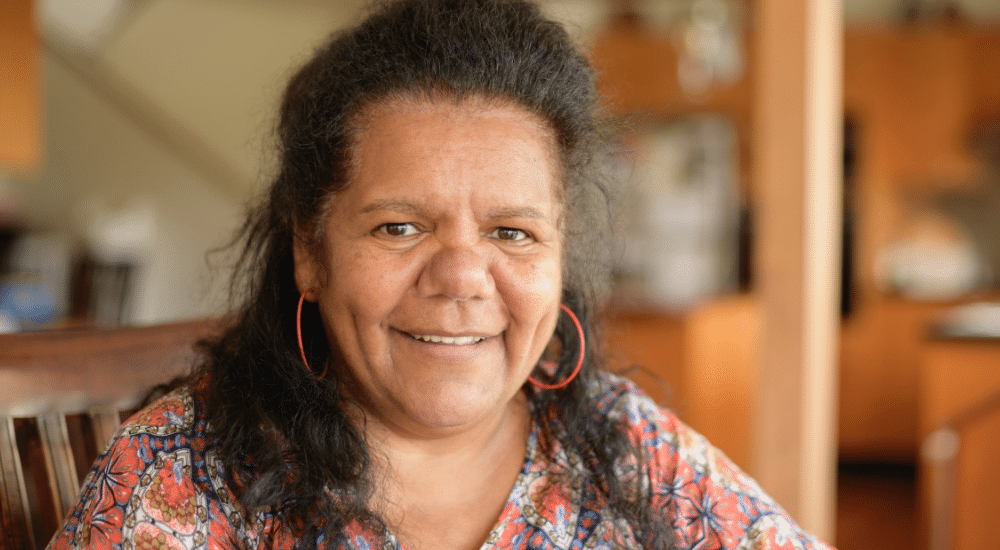
For many First Nations peoples, caring is seen as a natural part of the cycle of life and a cultural and family obligation. Caring is also seen as a community responsibility, not solely an individual duty.
We know that many First Nations peoples are often caring for several different people and have caring roles at different stages in their life. Importantly, most First Nations peoples do not speak of caring as a burden or difficult, and so rarely seek support for themselves, however, support is available.
A First Nations Carer’s story
In 2017 my husband had a stroke that left him partially paralysed and in a motorised wheelchair. I became his full- time carer because I really wanted to care for him at home. He looked after me for many years, so I saw it as my turn to take care of him. I continued to care for my husband up until he had a second stroke and passed away in late 2021.
My husband required 24-hour care and our day-to-day life always involved lots of planning. When I was caring for my husband, we often didn’t divert from the usual routine. My typical day involved an early start helping him get up, out of bed and ready. We would usually have a cup of tea and sometimes do a prayer together.
During the day, I would take him to the park to see friends or drive him to medical appointments. Most appointments involved travelling long distances, usually around a 130km drive from home. Other than for those appointments, we couldn’t travel too far in case he needed to go to the toilet because we didn’t have the facilities to support him.
Being a carer was demanding, but it also brought us closer together. We both had busy lives before his stroke and being his carer helped us appreciate each other. My husband was a bushman and we both loved life in the bush. He was very cultural, hardworking and kind-hearted. He was loved by many in the community. Going out on Country was very important to him, one of the things we enjoyed most together was driving out into the bush.
Even though my family was always there to help us, at times I struggled with my social and emotiona wellbeing. I often felt overwhelmed and worried if I was doing things the right way. There were one or two times where I was at breaking point and just needed some time out.
This is when I realised it was important to ask for help. Everyone should be able to look after a loved one if they want to and be supported through it.
I know that sometimes it can be hard to reach out for help. You might need support right now that you can’t always get, or you might feel shameful about sharing sensitive parts of your life. I used to be a very private person, but now I would always suggest reaching out for support because people can be more helpful than you would ever imagine. Practical support makes a big difference.
I learnt about Carer Gateway after my husband passed, and it’s been a good way for me to access information and connect to support services. The information about end-of-life planning and loss helped me – in grief I feel a strength coming to me.
I really recommend Carer Gateway to all carers. I really like the information on health and wellbeing, and the tips for eating well, sleeping and good mental health.
Carer Gateway delivers services in your local area and is there to support me and anyone caring for someone in their family or community.
If you need help you can call Carer Gateway or visit the website to get free and easily accessible support, find practical information, develop skills and improve your social and emotional wellbeing.
This story was originally shared with Carer Gateway, who offer tailored support for First Nations Carers.

Comments




























I was diagnosed with Herpes four years ago. For over two years, I relied on prescribed medications and treatments, but unfortunately, my condition continued to worsen. The flare-ups became more frequent, the discomfort increased, and even simple daily tasks became difficult to manage.Last year, out of desperation and hope, I decided to try a herbal treatment program from NaturePath Herbal Clinic. Honestly, I was skeptical at first, but within a few months of starting the program, I felt some changes. My discomfort eased, my energy levels improved, and I felt I had more control over my daily life again.It’s been a meaningful experience for me, and I feel more like myself than I have in years. This is simply my personal story. You can visit their website at http://www.naturepathherbalclinic.com
whatsapp +27604189106