
Support, guidance & advice for todays primary carers
A guide to growing veggies
Article by
Australian Carers Guide
Adjust text size:
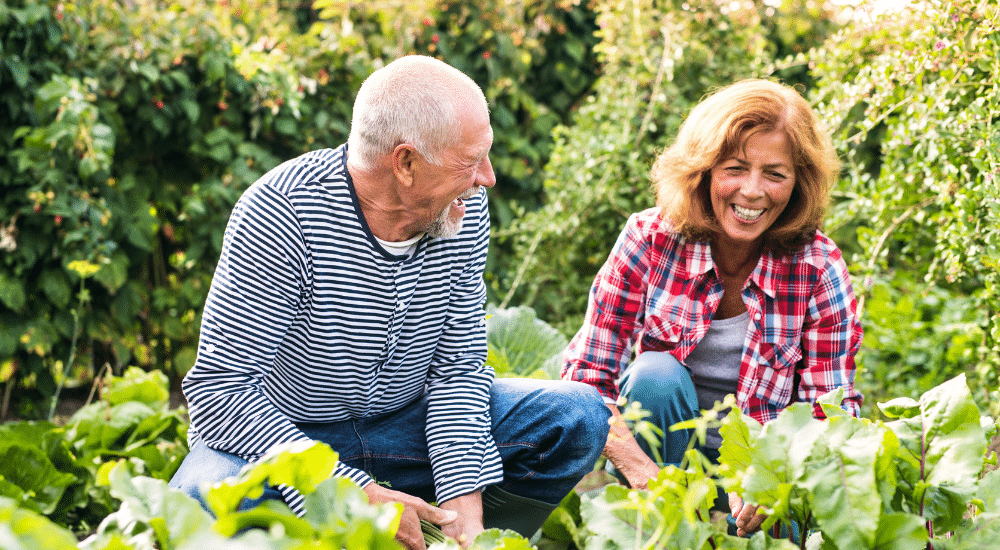
Many seniors will remember the 1970s British sitcom about a couple who gave up the rat race to grow vegetables in their backyard.
Tom and Barbara Good’s idea in The Good Life was to be sustainable by growing and eating their own produce, and bartering the leftovers for the things they’d otherwise need to buy.
With the cost of living a major issue, growing some veggies in the backyard or in planters on your balcony seems like a good idea.
You won’t meet all your sustenance needs but you could save some money on your grocery bill – and have much fresher produce than you’ll see at the supermarket.
On top of that, there’s the pride and joy involved in planting, maintaining, harvesting, and eating your favourite vegetables direct from your own backyard.
This article was originally published by our friends at National Seniors.
The first step in planning your garden is to understand the climate zone you are in. Australia is divided into several gardening zones, each suitable for different types of vegetables:
- Tropical (North Queensland, Northern Territory, and Western Australia): This region can grow tropical vegetables all year round, including sweet potatoes, taro, and a variety of beans.
- Subtropical (South Queensland and Northern New South Wales): Suitable for growing a broad range of vegetables, including tomatoes, cucumbers, and capsicums, especially in the cooler months.
- Temperate (South New South Wales, Victoria, Tasmania, South Australia): Ideal for growing root vegetables like potatoes and carrots, as well as leafy greens such as spinach and lettuce during spring and autumn.
- Arid/Desert (Central Australia): With careful water management, this zone is suitable for hardy vegetables such as capsicum, eggplant, and tomatoes, primarily grown in the cooler months.
Preparation
Good soil is the foundation of a productive garden. Test your soil’s pH level; most vegetables thrive in soil with a pH between 6.0 and 7.5.
Enhance your soil with organic matter such as compost or well-rotted manure to improve fertility and water retention.
The next step is to decide what you want to grow. Select vegetables based on your climate zone and personal preference. Consider starting with easy-to-grow options such as lettuce, radishes, beans, and tomatoes.
It will help to choose heirloom varieties – those that are adapted to your local conditions for better growth and resilience against pests and diseases.
Planting
When it comes to planting, timing is crucial. Follow the specific planting guide for your climate zone, which can be found on local gardening websites or through community gardening groups.
In general, plant seeds or seedlings at the depth and spacing recommended on the seed packet or plant tag. Ensure your garden gets at least six hours of sunlight daily.
Maintenance
Vegetable gardens require regular watering, particularly during the warmer months. Early morning or late afternoon watering reduces evaporation and helps prevent fungal diseases. Mulching around your plants will conserve moisture and suppress weeds. Regularly check your plants for pests and diseases, using organic control methods wherever possible.
Harvesting
Harvest vegetables when they’re young and tender for the best flavour. Regular harvesting encourages the plant to produce more. Enjoy the fruits of your labor by incorporating your fresh produce into meals, sharing with neighbors, or preserving for future use.
Growing your own vegetables can be a rewarding experience that benefits your health, the environment, and your wallet. By understanding your climate zone, preparing your soil correctly, and choosing the right vegetables for your garden, you can enjoy a bountiful harvest that’s both delicious and nutritious.

Comments






Sep. 01, 2026
The Quiet Heart of Australia
Celebrating our Unpaid Family Carers

Sep. 01, 2026
Spring Clean Your Life

Sep. 01, 2026
Carer Gateway Counselling
Helping Carers Feel Less Alone

Sep. 01, 2026
Helping Loved Ones Read with More Confidence

Sep. 01, 2026
Caring for Caregivers
Managing the Role of a Carer





















When my Alzheimer’s symptoms worsened forgetting names, getting lost, struggling with daily tasks I felt overwhelmed and hopeless. Traditional medications offered little relief, and I began to lose hope. Then I found NaturePath Herbal Clinic. Their team took the time to understand my needs and crafted a personalized herbal therapy. Within weeks, I noticed clearer thinking, less confusion, and an improved mood. My husband noticed the difference, too. While Alzheimer’s is still part of my life, NaturePath has helped me regain control. Their care, compassion, and hope have made all the difference. If you or a loved one is dealing with Alzheimer’s, I highly recommend reaching out to them. http://www.naturepathherbalclinic.com