Support, guidance & advice for todays primary carers
Beat the Heat
Article by
Australian Carers Guide
Adjust text size:
With Summer Fast Approaching, Here’s How to Stay Cool in Hot Weather
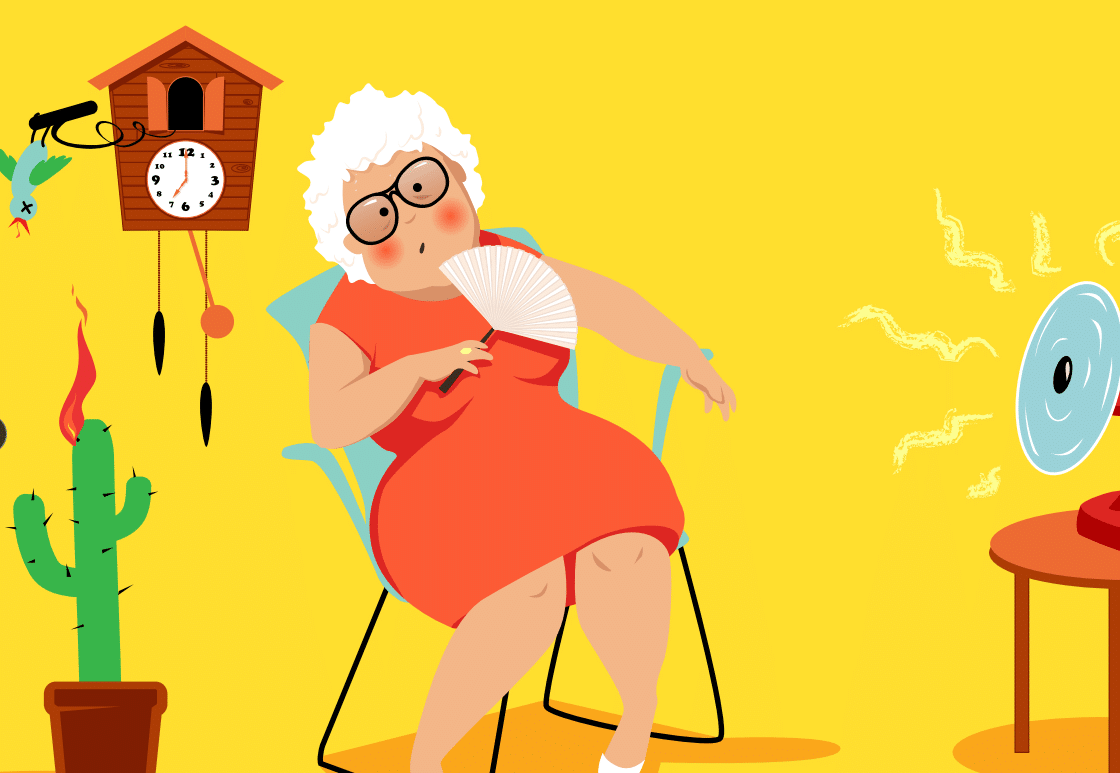
As the mercury rises during the sweltering summer months, staying cool can seem like an impossible task. And for the elderly and ill among us, many of whom are more susceptible to the effects of extreme temperatures, managing heat can become even more critical. Heat-related illness occurs when the body can’t cool itself and maintain a healthy temperature. The body normally cools itself by sweating, but sometimes sweating isn’t enough and the body temperature keeps rising. However, with some careful planning and a few simple strategies, it’s easy to stay safe this summer without risking your health.
Hydration is Key
Proper hydration is the cornerstone of staying cool in the heat, and, as we age, we’re often at a higher risk of dehydration due to reduced thirst perception and kidney function. To combat this, it’s crucial to drink plenty of fluids throughout the day, even if you don’t feel thirsty.
Increase water intake, herbal teas, and electrolyte-rich drinks to maintain a healthy balance of fluids. Limit the consumption of caffeinated and alcoholic beverages, as they can contribute to dehydration. It’s also a good idea to keep a reusable water bottle within reach to make hydration convenient.
Dress for the heat
Choosing the right clothing can significantly impact comfort in hot weather. Opt for loose-fitting, lightweight, and breathable fabrics, such as cotton or linen, which help regulate body temperature by allowing air to circulate. Light-coloured clothing can also reflect the sun’s rays, reducing heat absorption.
Additionally, wearing wide-brimmed hats, sunglasses, and sunscreen can help protect from the sun’s harmful UV rays, preventing sunburn and heat-related illnesses.

Create a Cool Living Space
Ensuring a cool and comfortable living environment is vital during hot weather. Consider the following tips to maintain a pleasant indoor climate:
- Use fans or air conditioning to circulate and cool the air.
- Close blinds or curtains during the hottest part of the day to block out direct sunlight.
- Open windows during the evening and early morning to let in cooler air.
- Use light-coloured bed linens to promote a more comfortable sleep environment.
Plan Outdoor Activities Wisely
While it’s essential to stay active, it’s equally crucial to choose the right time for outdoor activities. Avoid going out during the hottest parts of the day (typically between 10 a.m. and 4 p.m.). Instead, opt for early morning or late evening when temperatures are cooler.
If outdoor activities are unavoidable, ensure you wear appropriate clothing, apply sunscreen, and carry a water bottle to stay hydrated. Encourage frequent breaks in the shade to prevent overheating.
Stay Informed
Keeping an eye on weather forecasts can ensure you’re able to properly plan activities and prepare for hot days. By knowing when extreme heat is expected, take precautionary measures, such as staying indoors during peak heat hours or arranging for assistance from family or carers when needed.
Eat Light and Nutrient-Rich Foods
Diet plays a significant role in how the body responds to heat. Opt for lighter, easily digestible meals during hot weather. Foods with high water content, such as fruits (e.g., watermelon, cucumber) and vegetables (e.g., lettuce, tomatoes), can help maintain hydration.
Avoid heavy, high-fat meals, as they can increase body heat and discomfort. Small, frequent meals can also help regulate body temperature and prevent overheating.
Cool Down with Showers and Baths
Taking a cool shower or bath can provide instant relief from the heat. Try taking a lukewarm or cool shower, or simply use a damp washcloth to wipe your face, neck, and arms. This can help lower body temperature and provide a refreshing sensation.
Check-in on Loved Ones
Regularly checking on elderly family members, friends, or neighbours is an act of kindness and safety during hot weather. Older adults may be hesitant to ask for help or admit when they’re feeling unwell, so reaching out to them can be a lifeline.







Sep. 01, 2026
The Quiet Heart of Australia
Celebrating our Unpaid Family Carers

Sep. 01, 2026
Spring Clean Your Life

Sep. 01, 2026
Carer Gateway Counselling
Helping Carers Feel Less Alone

Sep. 01, 2026
Helping Loved Ones Read with More Confidence
Sep. 01, 2026
Caring for Caregivers
Managing the Role of a Carer